TMJ Treatment in Fillmore, CA
Ready for a Healthy Smile? Contact Us Today!
Happy Stories
EXCELLENTTrustindex verifies that the original source of the review is Google. So many great things to say about Castaic Dental! The staff-Amazing! The Dentist-Amazing! They’re honest and really care about your dental health. The office is clean, they always play good music which helps me relax .. if you’re looking for a trustworthy dentist look no further.. This is it.Posted onTrustindex verifies that the original source of the review is Google. Castaic Dental Center is an excellent dental office. Dr Charu and her staff are helpful, respectful, and patient:) Dr Charu always answers all my questions and concerns about current and future dental work. Dr Charu is the best!Posted onTrustindex verifies that the original source of the review is Google. I’ve been going here for over 25 years it’s the bestPosted onTrustindex verifies that the original source of the review is Google. I had an amazing experience with the doctor. I had a filling done After a root canal and felt no pain whatsoever.Posted onTrustindex verifies that the original source of the review is Google. I recently visited Castaic Dental and couldn’t be happier with my experience. Right from the moment I walked in, I was impressed by the clinic’s immaculate hygiene standards — the place is spotless, with sterilization and safety protocols clearly a top priority. It instantly put me at ease, especially in today’s times when cleanliness is non-negotiable. The entire team is incredibly professional and courteous. They take the time to explain procedures in detail, making sure you’re comfortable and informed every step of the way. Dr. Charu Aggarwal is not only skilled but also genuinely caring, ensuring that each treatment is as painless and stress-free as possible. What stood out most was the value for money. Dental treatments can often be expensive, but Castaic Dental offers top-quality care at very reasonable prices, without ever compromising on quality. It truly feels like you’re getting premium service at a fair cost.Posted onTrustindex verifies that the original source of the review is Google. Dr Charu and her staff is the best. Best dental experience and no over selling. Highly recommendedPosted onTrustindex verifies that the original source of the review is Google. Visited on 7th July 2025 I had a great experience on my recent visit. Charu did an outstanding job with the cleaning — everything was spotless and well-maintained. She was extremely courteous, professional, and clearly experienced in her work. Truly appreciated her attention to detail and positive attitude. Highly recommended!
Get a Dazzling Smile Now
Call Us Today To
Book An Appointment
Your Oral Health Matters to Us
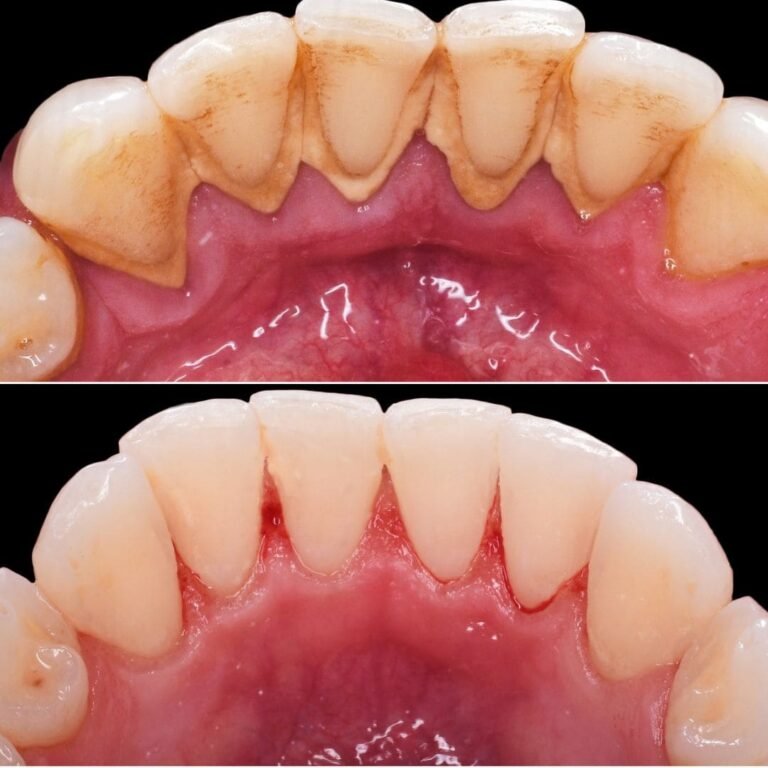
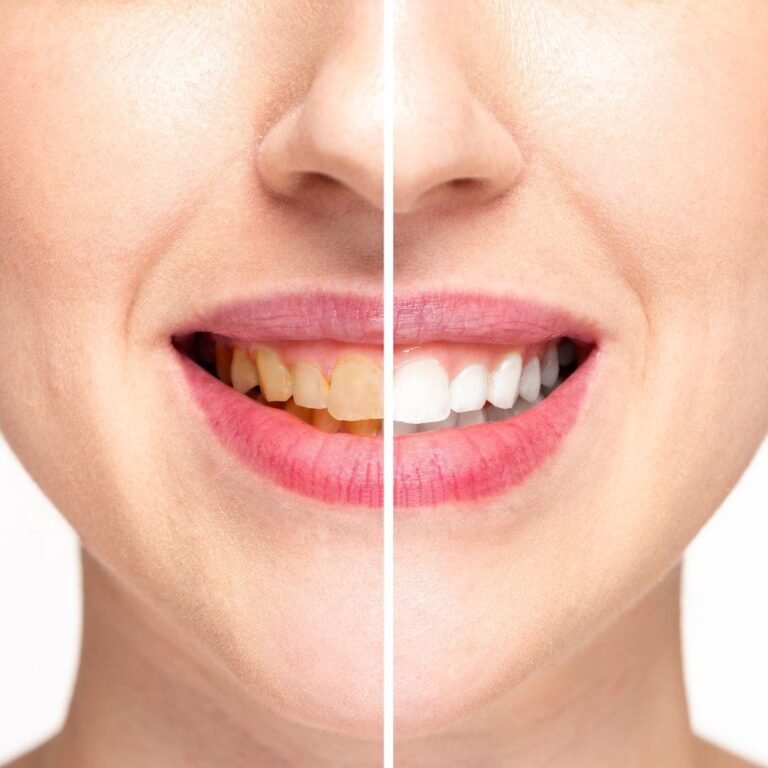
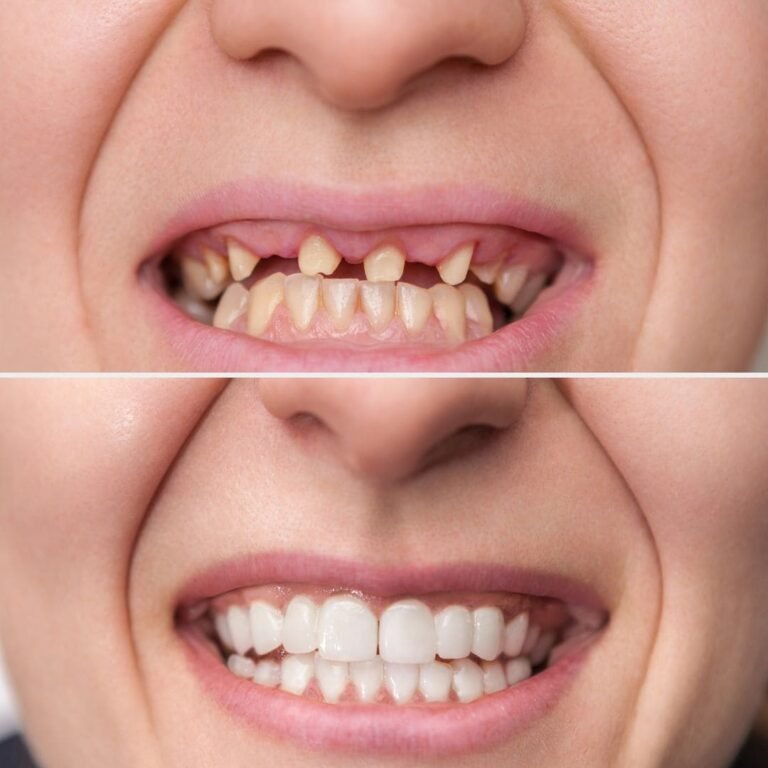
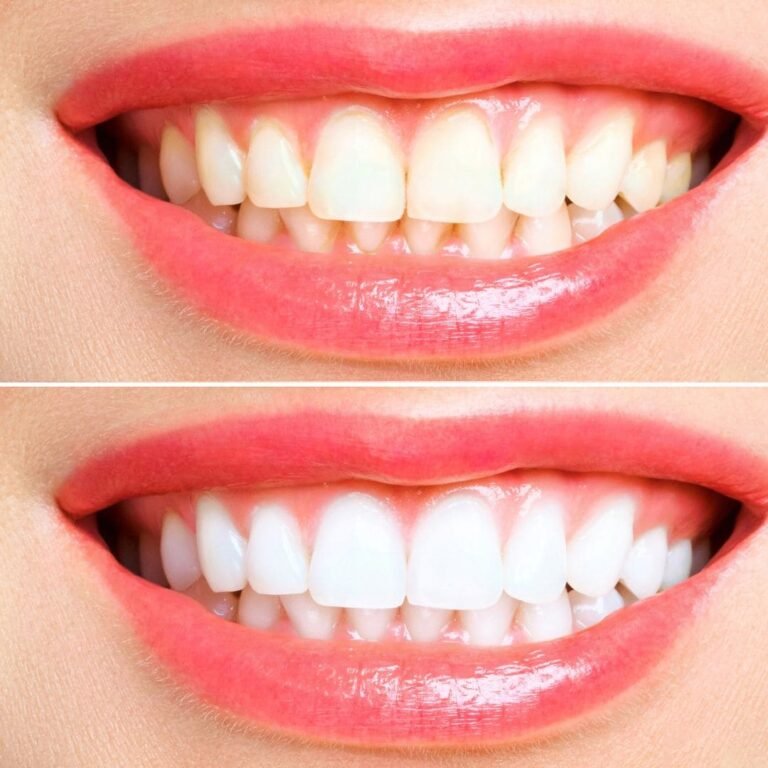
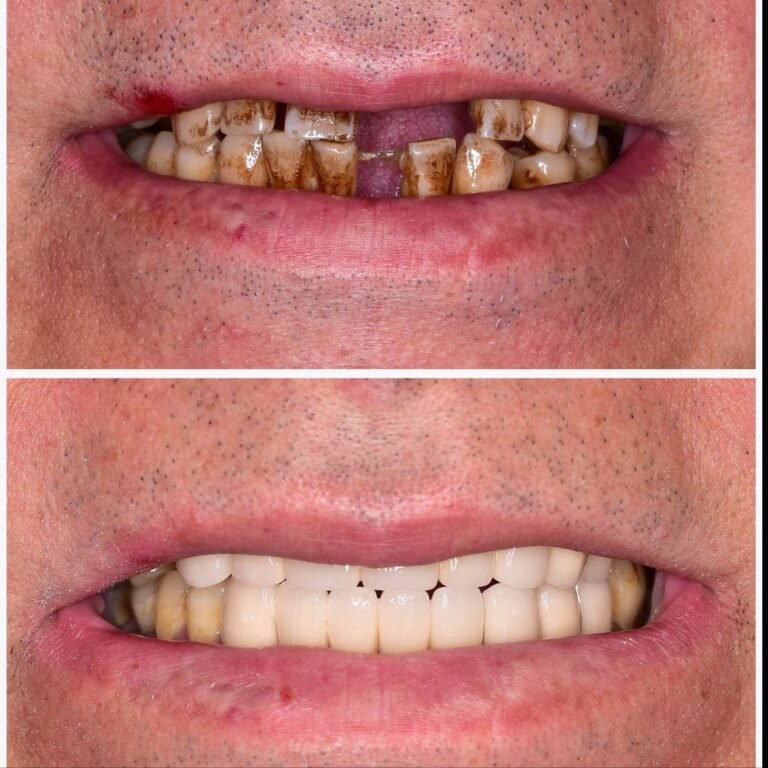
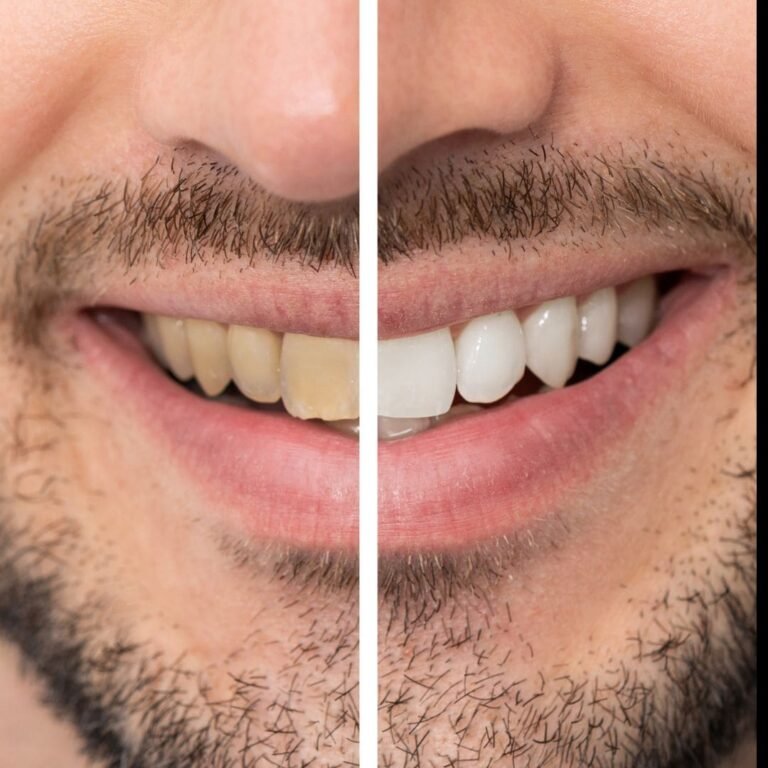
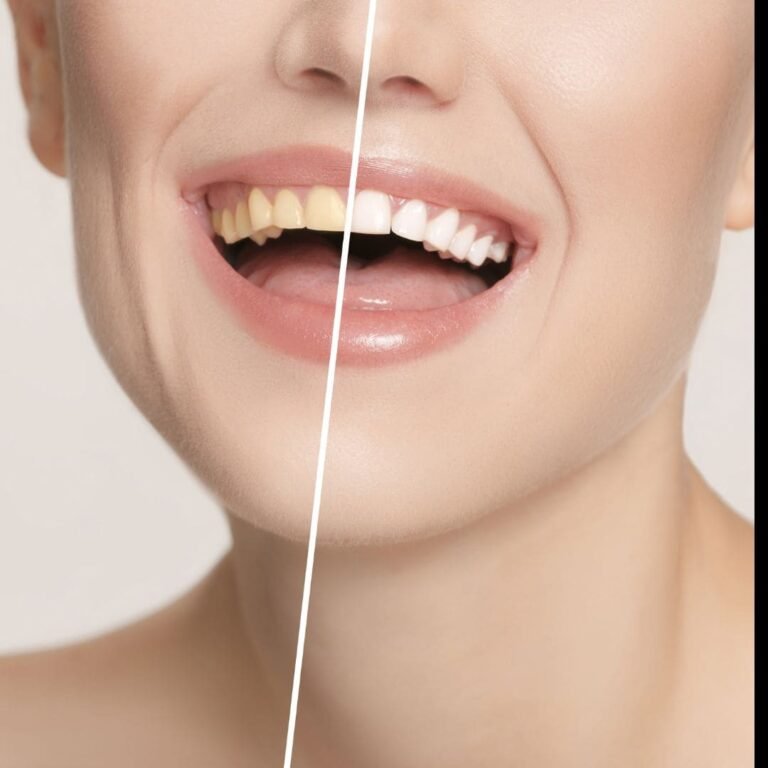
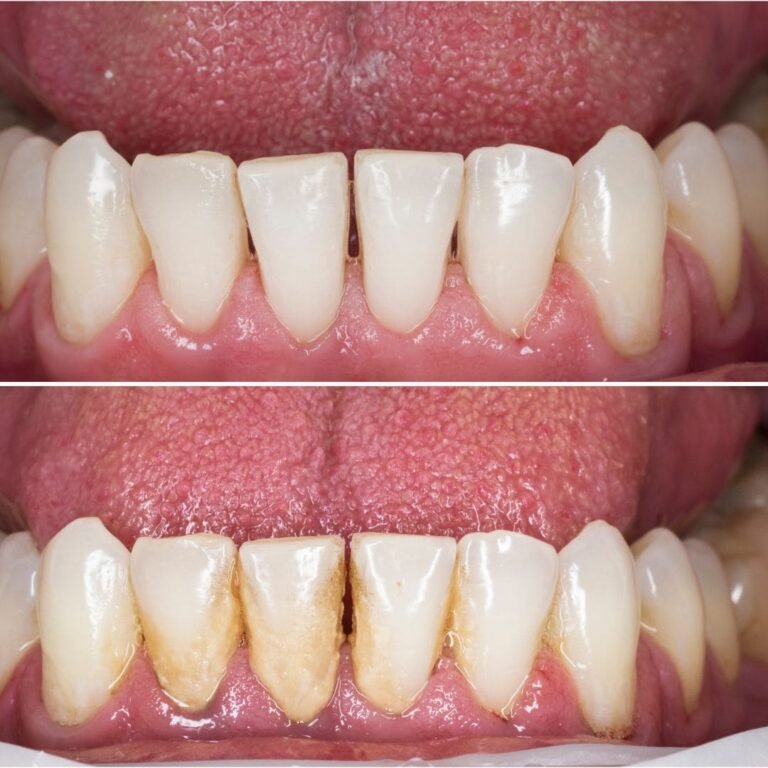
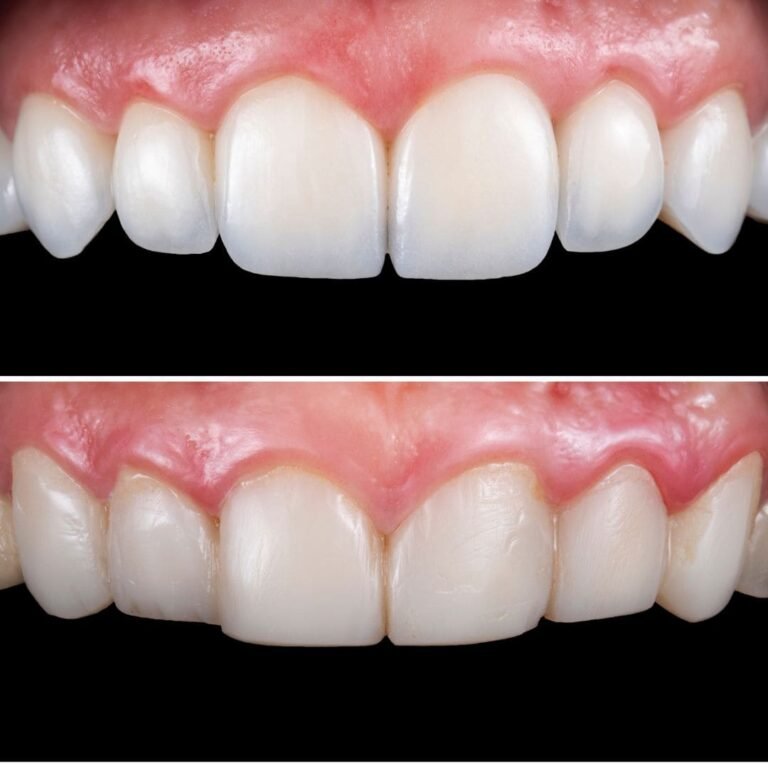
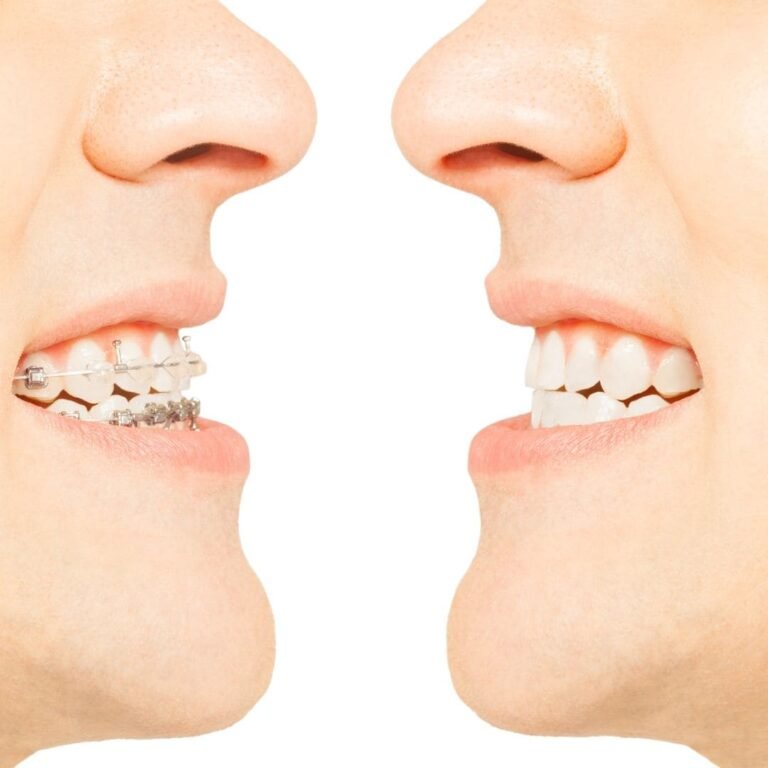
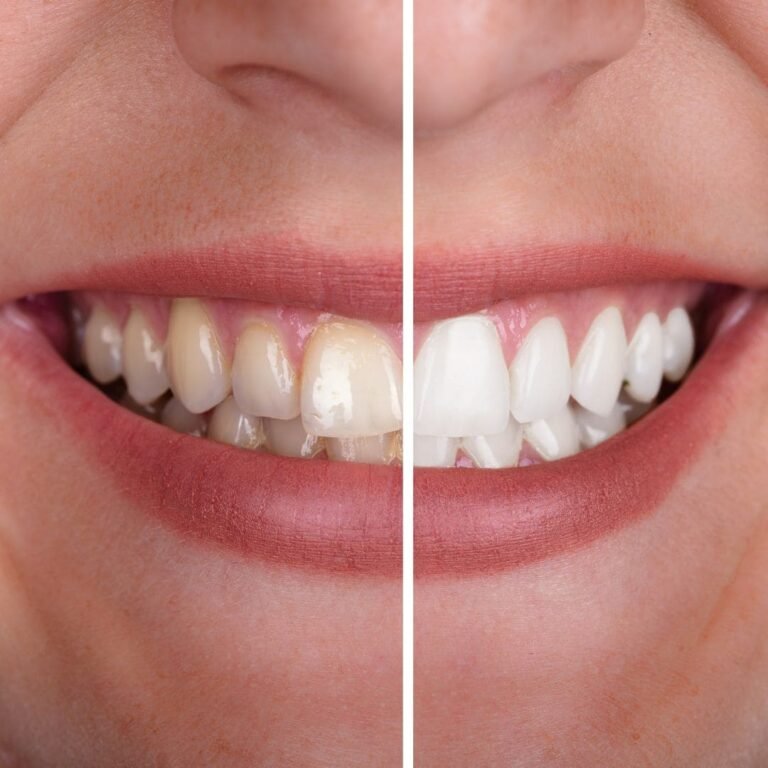
Dental Gallery

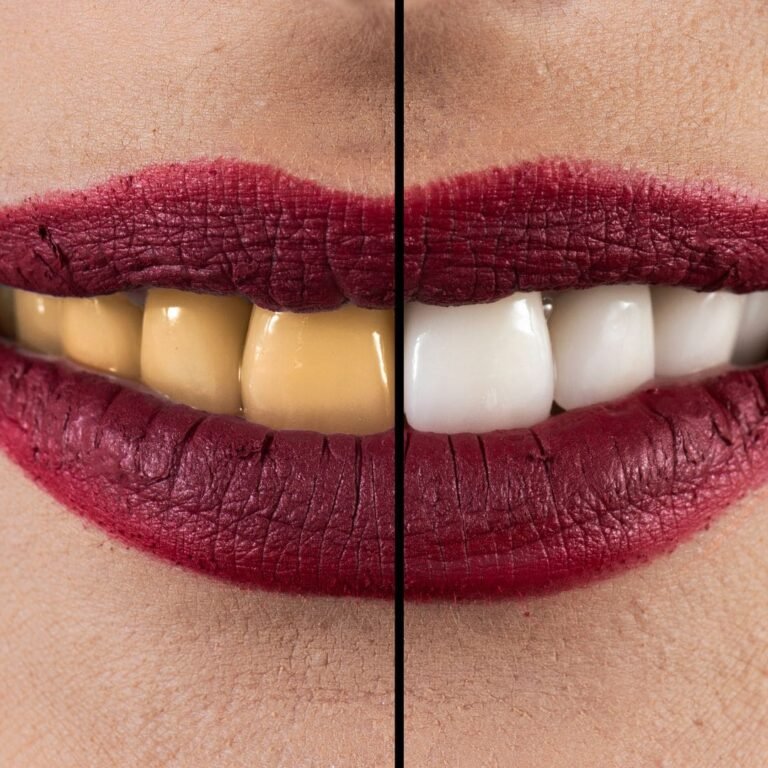
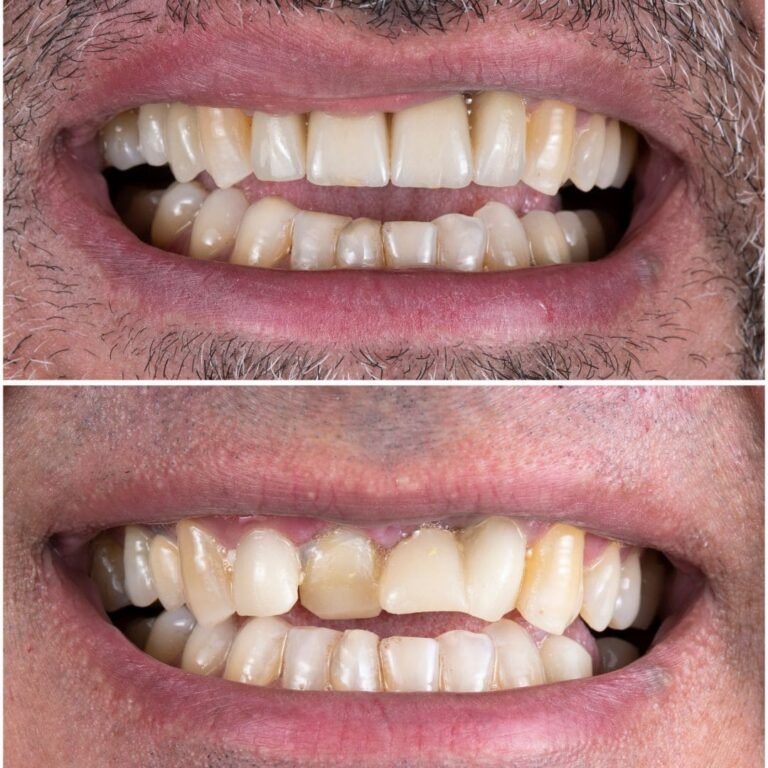
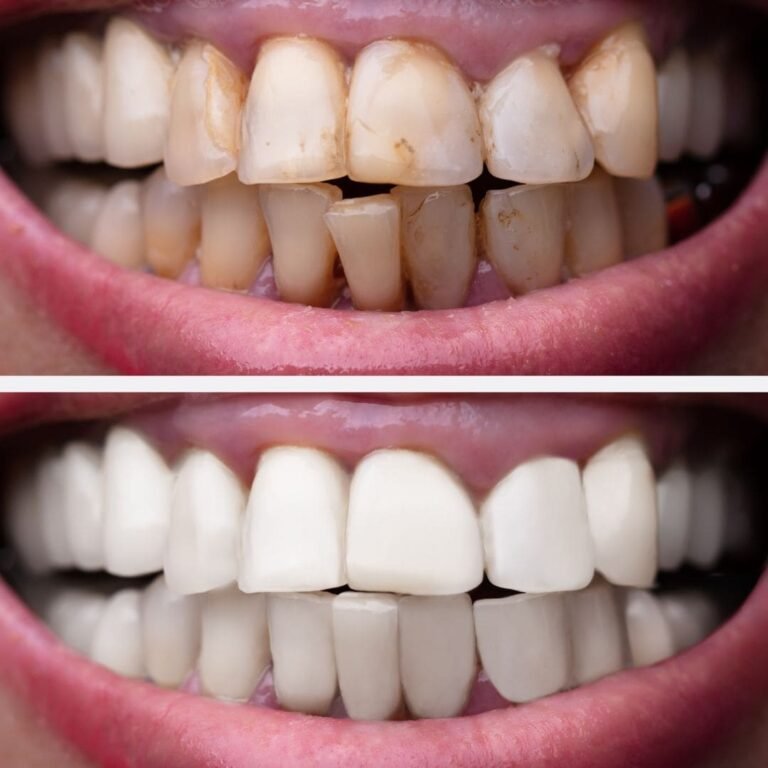
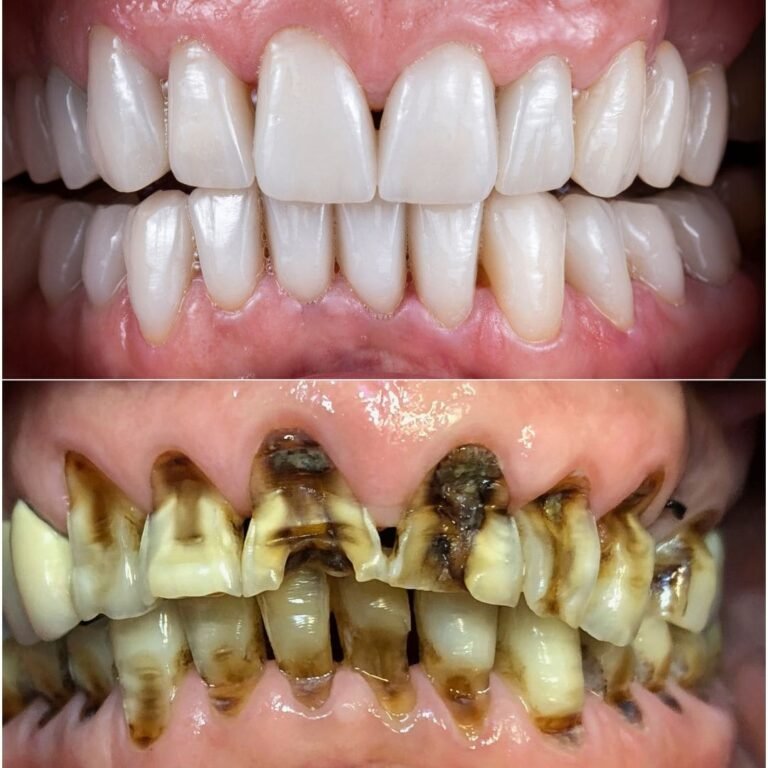
FAQs About TMJ Treatment in Fillmore, CA:
How to relief TMJ pain?
Usually folks try warm or cold first. Warm helps if the jaw feels stiff and cold if it feels swollen or sharp. Soft stuff to eat helps too since the jaw doesn’t have to fight through chewing. Try not to chew gum or bite nails because that keeps the joint busy for no reason. A few light stretches can loosen it a bit. If none of this calm it down after a while, then it’s better to see someone who handles TMJ treatment in Fillmore, CA so they can figure out what’s actually setting it off.
Is TMJ life long?
TMJ doesn’t stay forever for most people. Many feels better once they rest the jaw and work on things like stress or grinding. Some people have symptoms that fade and return, especially when arthritis or clenching is part of it. Things usually improve once the real cause is found early. A dentist who deals with TMJ a lot can usually tell what’s setting it off. They look at your jaw, your habits, and how it moves, and that’s often enough to point out the reason so it doesn’t drag on.
What is the difference between TMJ and TMD?
TMJ is the name of the jaw joint. That’s it. TMD is what you call the trouble that happens in that joint, like pain or clicking. People mix the two all the time and say “TMJ” when they mean the problem, but technically the joint is TMJ and the disorder is TMD. A dentist will just watch how your jaw moves and feel around the spot that hurts. From that, they usually get a sense of what kind of TMD you have.
What is TMJ triggered by?
TMJ trouble can start from many small things. A knock to the jaw, daytime clenching, night grinding, or just everyday stress can overload the joint. Sometimes it also starts when your bite doesn’t line up well or when you sit hunched over a screen for long hours. Arthritis or even an infection can set it off too. The dentist usually figures it out by looking at how your teeth meet and what you tend to do with your jaw.
Is TMJ due to stress?
Stress on its own doesn’t set off TMJ, but it does make a person clamp down without meaning to. Most people don’t even catch it when the jaw tightens up. It just sits like that without them noticing. After a while, the joint feels kind of used up and sore, the same way any spot feels when you’ve held it in a weird position too long. When someone is already tense, the pain also hits harder. The usual thing is to remind yourself to loosen the jaw whenever you catch it tightening, and some people use a guard at night if they grind. A dentist can look at it and tell you pretty quickly if clenching is what’s pushing the joint too much.
Is TMJ a serious problem?
It can be small, and it can be a hassle, depends how it behaves. Some people get a sore jaw for a bit and it settles on its own. Others end up with pain that keeps showing up, or days where the jaw doesn’t open right. If it starts messing with eating or it keeps circling back, that’s usually when people go get it looked at. Sorting it early just saves trouble later.
What foods should I avoid with TMJ?
Anything that makes you bite down hard just tends to flare it up. Stuff like tough meat, hard crusts, nuts, raw crunchy veggies, popcorn, chewy sweets… all of that usually leaves the jaw sore. Most people just keep to softer food for a bit so the joint isn’t working nonstop. Once things calm down, they slowly bring the harder stuff back in.
Is TMJ linked to neck pain?
A lot of people notice both at the same time. When the jaw gets tight, the neck often follows because the muscles run into each other. Sometimes you feel it more in the neck, sometimes more in the jaw — it sorts of bounces back and forth. Long hours looking down at a screen can push both out of shape. People usually get more relief when they sort out the jaw habits and the neck strain at the same time. Doing just one thing rarely helps much on its own.
Is TMJ related to arthritis?
Arthritis can bother the jaw, sure, same way it bothers other joints, but it’s not the reason for everyone. Some folks feel jaw trouble because they already deal with arthritis somewhere else, so the jaw acts up too. Others have TMJ with no arthritis at all. A dentist usually gets a sense of it just by watching how your jaw moves and hearing what’s been going on. It’s not a big, complicated thing — more like putting pieces together to see if arthritis fits the picture.
What is TMJ mistaken for?
Jaw pain can copy a lot of other problems. Some people think it’s an ear issue, others think it’s their sinuses, and headaches from a tight jaw can feel like a regular migraine. Even toothaches get mixed up with it when the tooth itself isn’t the problem. A jaw exam usually sorts it out because the dentist checks how the joint moves and where the sore spots actually are.
Which deficiency causes TMJ?
There isn’t a single vitamin that suddenly causes TMJ. Some people feel sorer when they’re low on things like D or B12, but it usually just makes the muscles touchier, not create the problem by itself. Most TMJ starts from habits or stress or how the jaw is being used day to day. If you think you’re low on something, a quick check with your doctor is enough, but sorting out the jaw habits usually makes the bigger difference.
Does drinking water help TMJ?
When you go through the day without much water, the jaw tends to tighten up and feel a bit sorer. It doesn’t really “treat” TMJ, but being hydrated keeps the muscles from acting up as quickly. Most people notice the jaw bothers them more on the days they barely drink anything. Staying hydrated just keeps the muscles from tightening so fast. It’s not a cure — more like one of those small things that makes the day a bit easier when the jaw is already irritated.
What age is TMJ most common?
Most people run into it somewhere in their twenties or thirties, sometimes early forties too. Stress, long screen time, clenching — all of that piles up around those years. But it can show up in kids, teens, older adults… really anyone. It doesn’t stick to one age group. What matters more is how long someone waits before getting it checked, because leaving it alone is usually what makes it drag on.
She has been handling TMJ and jaw issues for more than 20 years now. She works at Castaic Dental Center and mostly keeps her focus on people who have that ongoing jaw pain or trouble opening their mouth properly. Many folks who need TMJ treatment in Fillmore, CA end up with her simply because she talks to them in a direct, simple way and doesn’t rush through appointments.
Over the years, she has handled all sorts of problems — stubborn jaw pain, headaches that come from jaw tension, and bite troubles that make everyday things harder. She looks at the real issue with your jaw and gives you the options that make the most sense for it.
Seeing her isn’t like a quick in-and-out visit. She follows up on your progress and helps you work your way back to feeling better.
Causes of TMJ Pain and When to Consider TMJ treatment in Fillmore, CA
TMJ pain usually comes from trouble in the joint that connects your jaw and your skull. A lot of folks begin looking into TMJ treatment in Fillmore, CA once these problems start showing up:
- Jaw pain or soreness when you move your jaw — it can just hurt a bit when you talk or chew, like the joint is acting up for no big reason.
- Jaw feels stiff or “locked” — some days the jaw just doesn’t open right, and you kind of wait a moment before it starts moving again.
- Clicking or popping sounds — you might catch a small click while chewing or when your mouth goes a bit wider than usual.
- Headaches that keep coming back — the jaw tension can drift up and turn into those dull hits around your temples or forehead.
- Ear pain or pressure — since the joint sits close to your ear, TMJ trouble can feel like an earache even if your ear is fine.
Noticing these signs often is usually a good reason to get your jaw checked early so the problem doesn’t build up over time.
TMJ Treatment in Fillmore, CA — What Your Options Look Like
TMJ issues don’t feel the same for everyone. Some people have mild soreness, while others struggle with daily jaw pain. At Castaic Dental Center, the team looks at how severe your symptoms are and then guides you toward the most practical form of TMJ treatment in Fillmore, CA — nothing complicated, just what fits your situation. Here are the main options:
- Medicines prescribed by a TMJ specialist – These are mainly to calm the swelling and make the jaw pain a bit easier to handle.
- Splint therapy – This is basically a small guard you wear so the joint isn’t under constant pressure. It helps the jaw move without feeling as tight.
- Physical therapy – Simple jaw movements and stretches that slowly help the joint loosen up and work more normally.
- Surgery (only when needed) – This is considered only when the joint is badly affected and the simpler treatments haven’t helped.
Why People Choose Castaic Dental Center for TMJ Treatment in Fillmore, CA
Castaic Dental Center is known in the area for steady, reliable care for TMJ problems. The clinic keeps things straightforward—good treatment, clear guidance, and a team that knows how to handle jaw issues without making the process complicated.
- Experienced team- They have highly skilled TMJ specialists with experience of 20+ years.
- Clinical Excellence- They have proven experience in handling even the most complicated cases accurately and precisely.
- Modern tools – The clinic uses updated machines to check the joint and plan treatment, which makes the process clearer for both the doctor and the patient.
- Personal attention – Each person is treated based on their own jaw symptoms and pain levels, not a fixed plan.
- Strict hygiene – They keep tight cleaning and safety rules in place so the treatments stay safe and trouble-free.