Unveiling the Mystery: Dental Veneers in Santa Clarita, CA
Ready for a Healthy Smile? Contact Us Today!
Happy Stories
EXCELLENT Based on 86 reviews
 Posted on Google
 bakshi guptaExcellent dentist!! I can't recommend Dr. Aggarwal and the entire team enough! From the moment I walked in, I felt welcomed, comfortable, and genuinely cared for. Dr. Aggarwal is incredible knowledgeable, professional, and attentive, taking the time to explain everything clearly and make sure you feel comfortable throughout every step of the visit. The quality of care is exceptional and I always leave feeling confident that I'm in the best hands. If you're looking for a dentist who is trustworthy, caring, and truly passionate about their patients, I highly recommend Dr. Aggarwal!Posted on Google
 RamlamFriendly staff and excellent service. Awesome doctor. I highly recommend.Posted on Google
 Jose TorresGreat attention to detail , soft hands and very nice staffPosted on Google
 Brandy GuerraThis is an amazing dental office.I have been going for years, thanks to all of them I only need to go for my 6mo. Check up and cleanings. Thank you all at Castaic Dental.❤️Posted on Google
 Patricia HowellVery attentive and kindPosted on Google
 Kyle CowanAmazing staff and Dr Charu is the best.Posted on Google
 S AshouriI was in a dental emergency & am beyond grateful/thankful to have found Dr. Aggarwal. She is very professional, skilled, knowledgeable, & caring! Dr. Aggarwal diffused all my concerns I had when she took the time to assess & explain how to proceed. I can not “THANK” Dr. Aggarwal enough, enormous “THANK YOU” for all that you Dr. Aggarwal:)Posted on Google
 Robert PallaschBeen going for 25 years, they are fantastic!
Get a Dazzling Smile Now
Call Us Today To
Book An Appointment
Your Oral Health Matters to Us
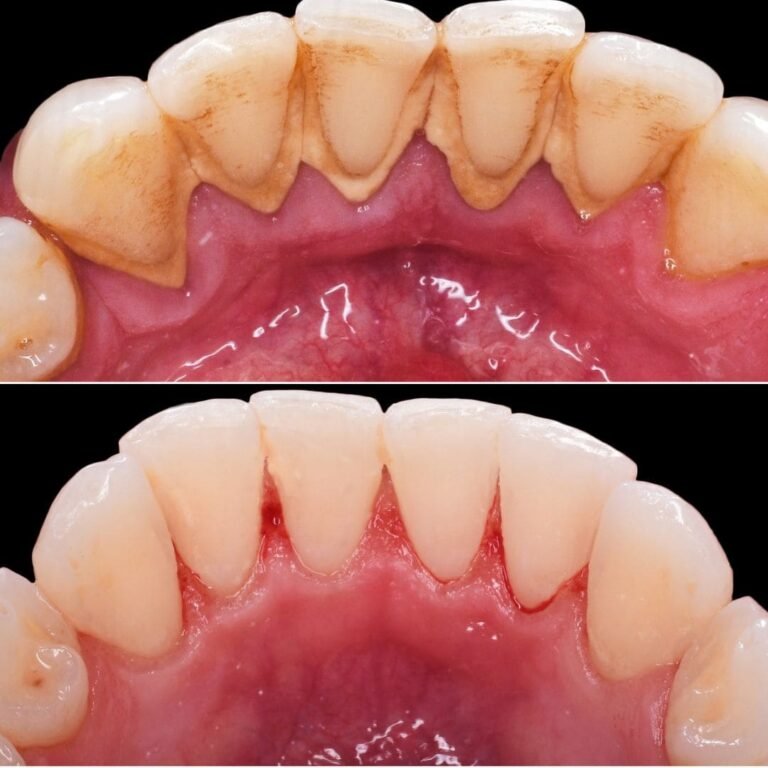
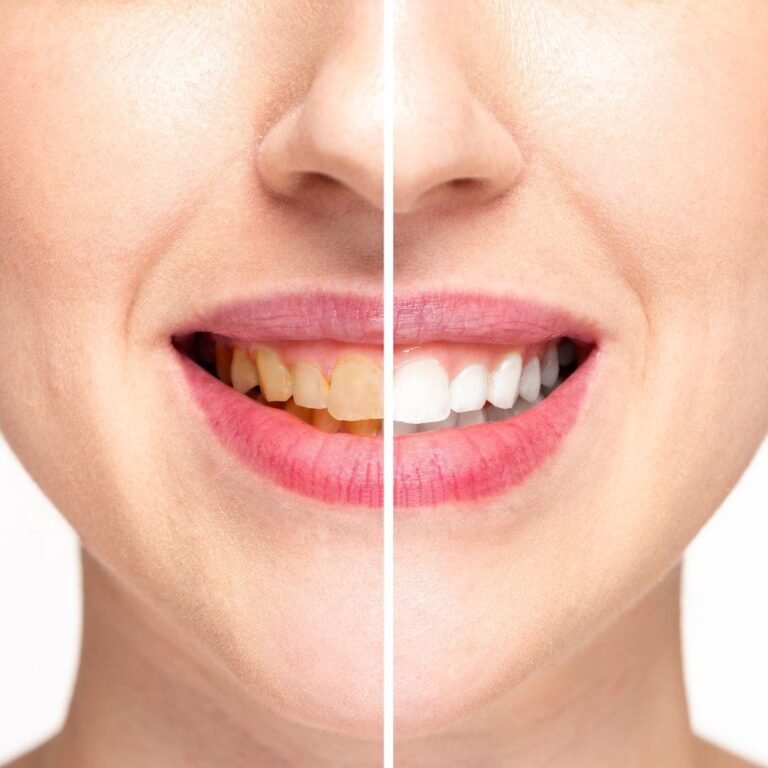
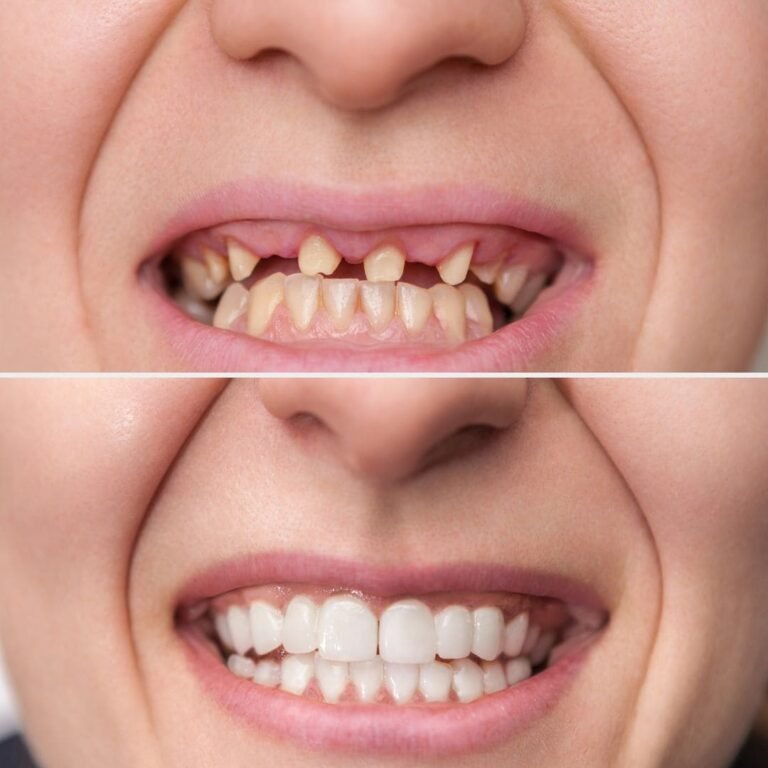
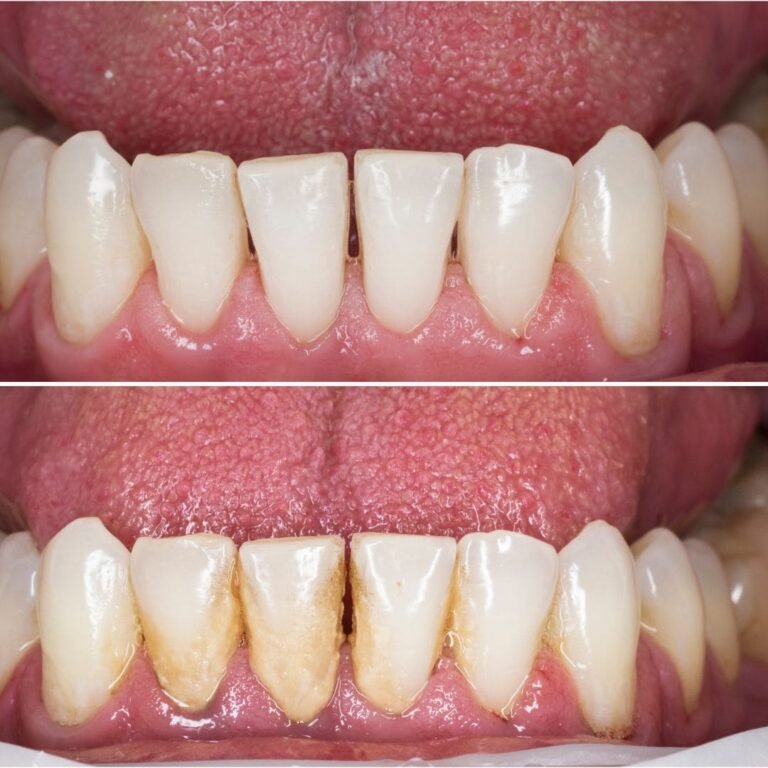
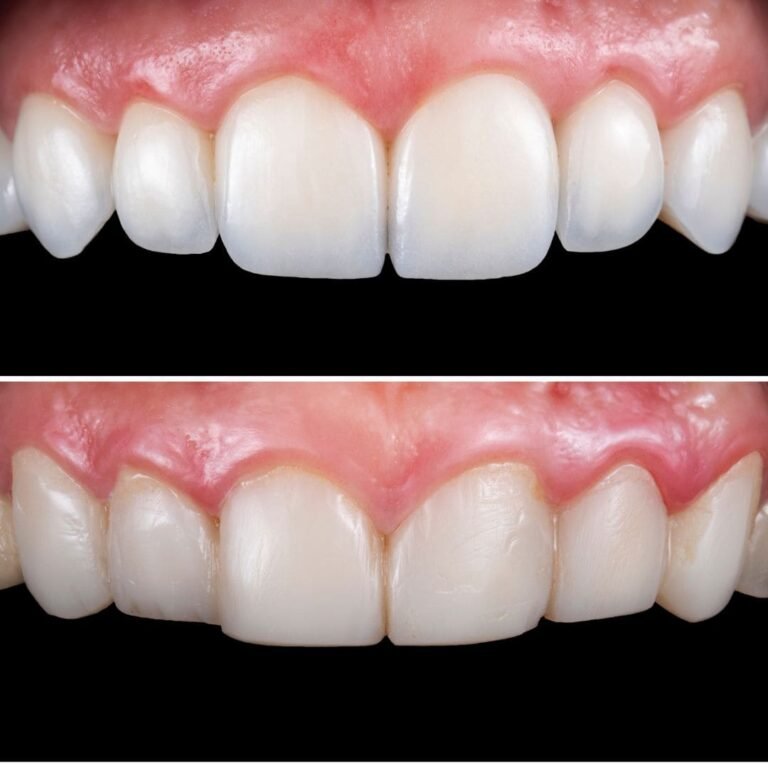
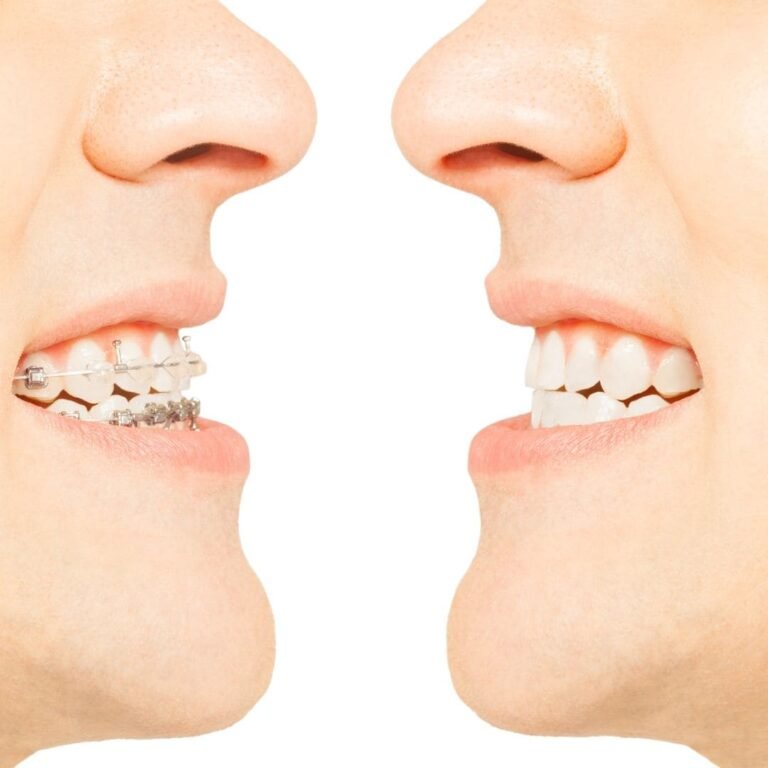
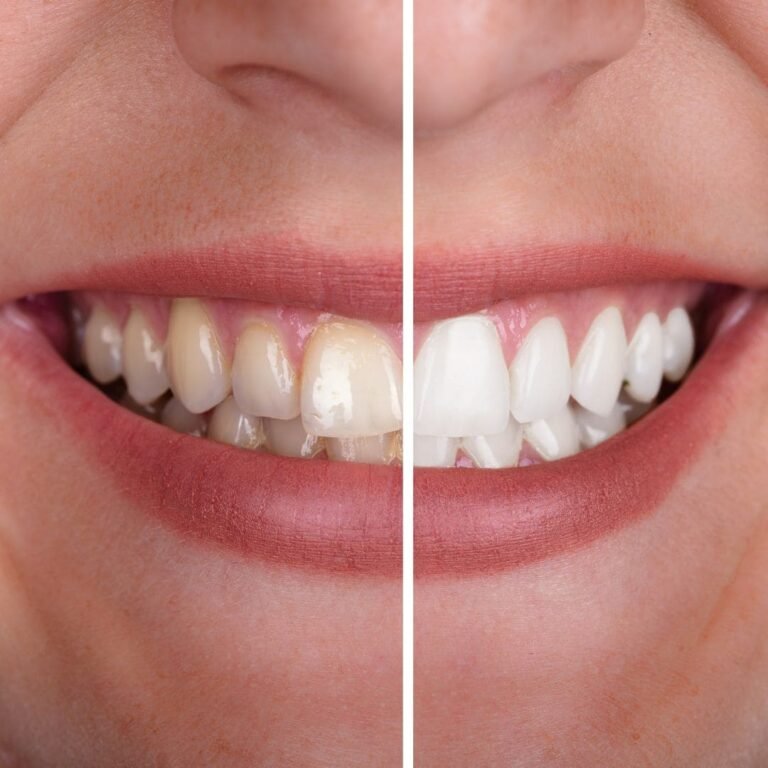
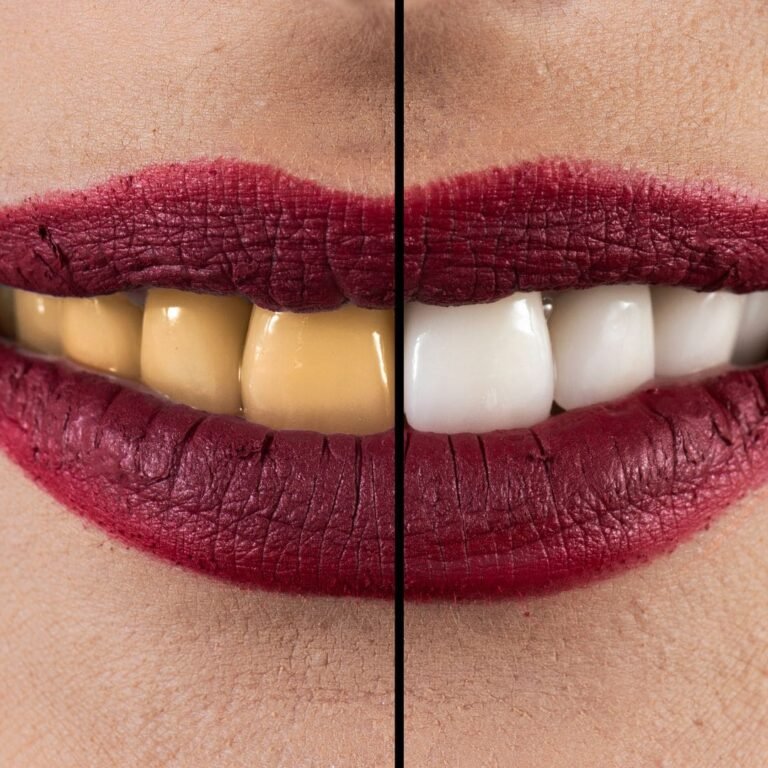
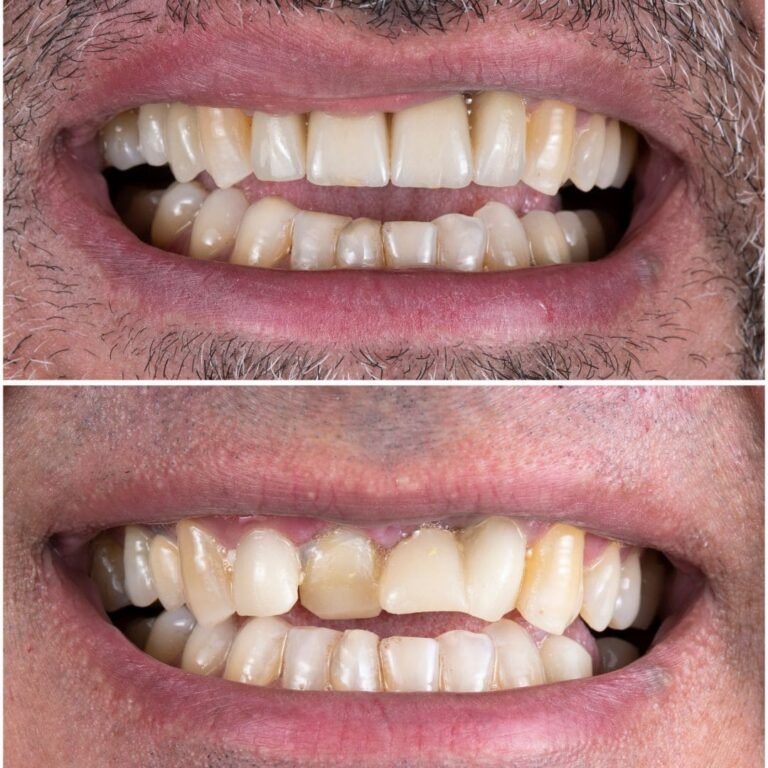
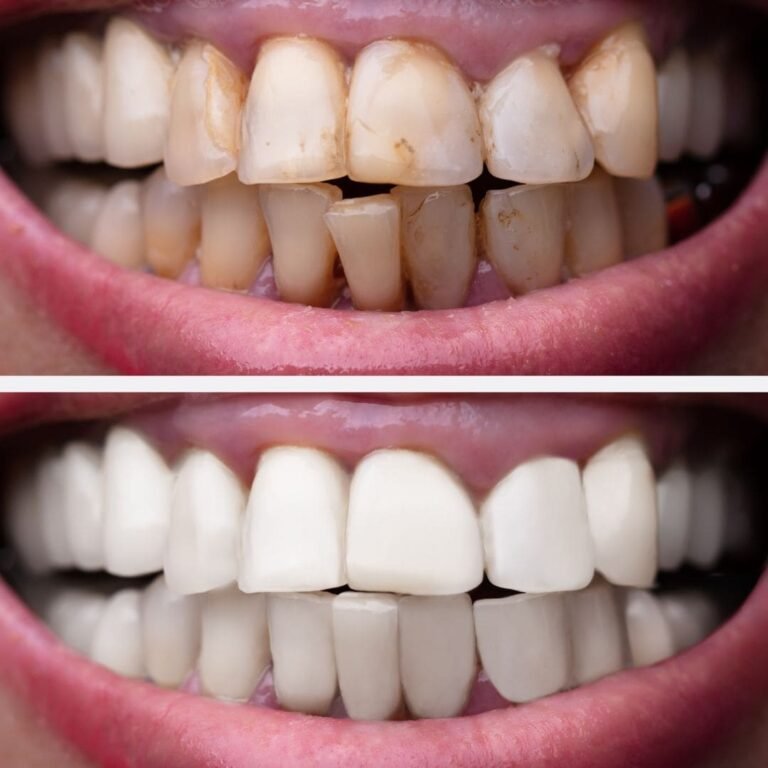
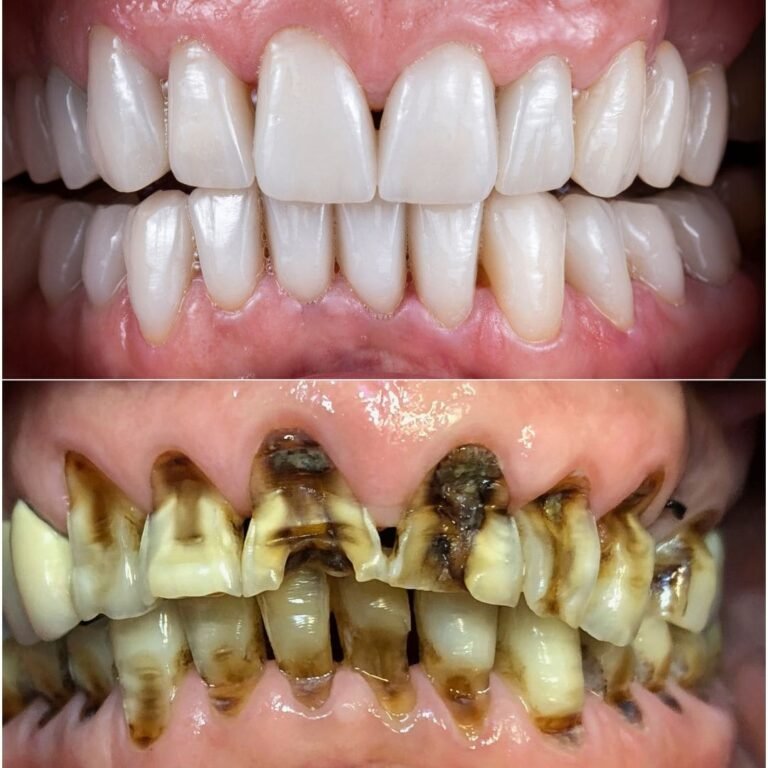
Dental Gallery
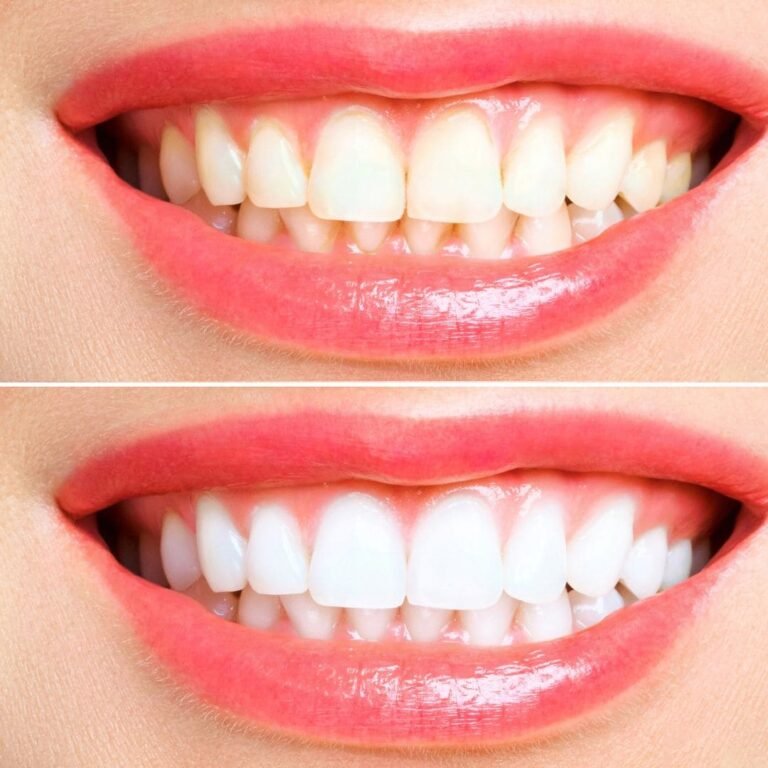
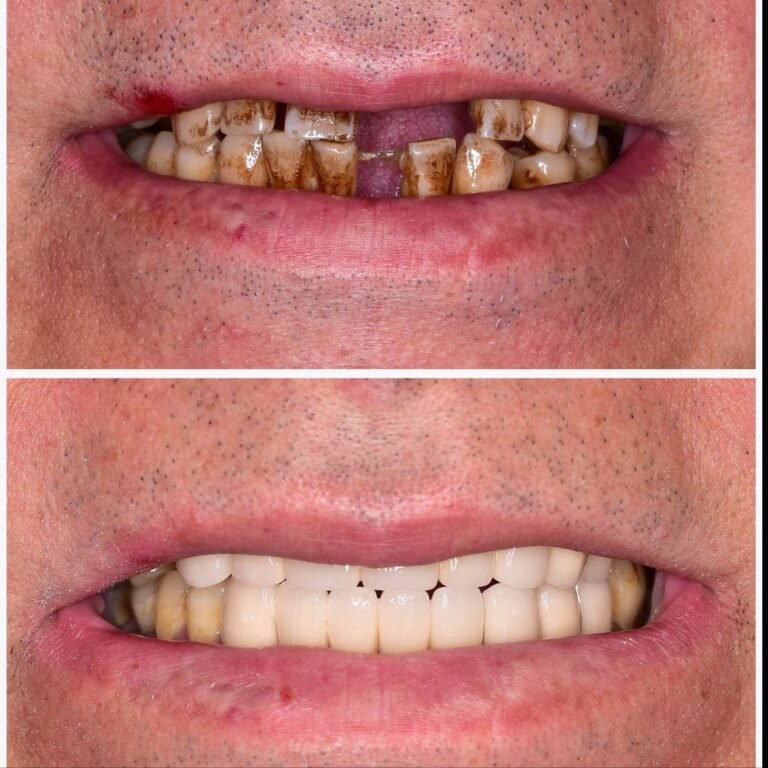
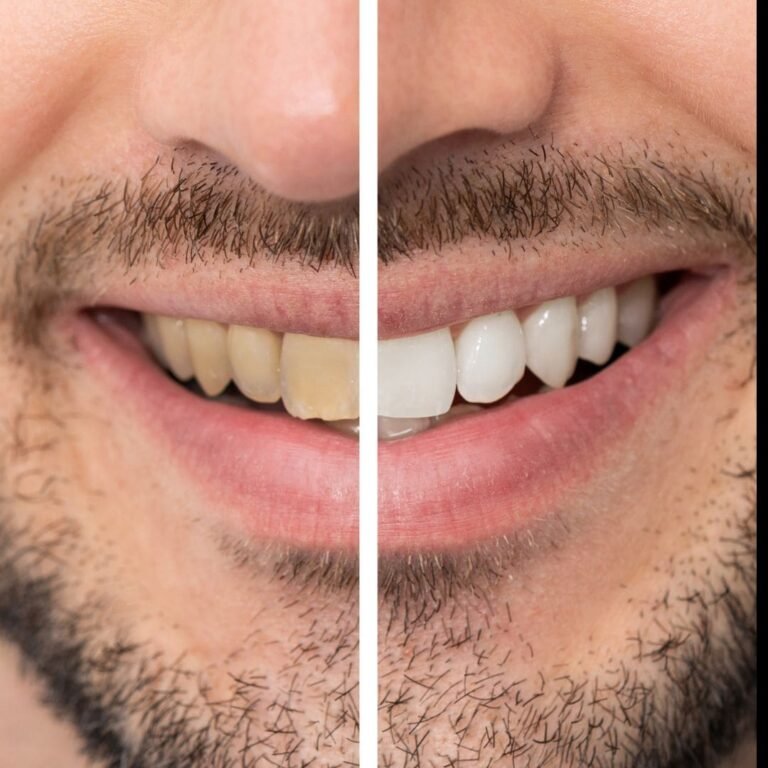

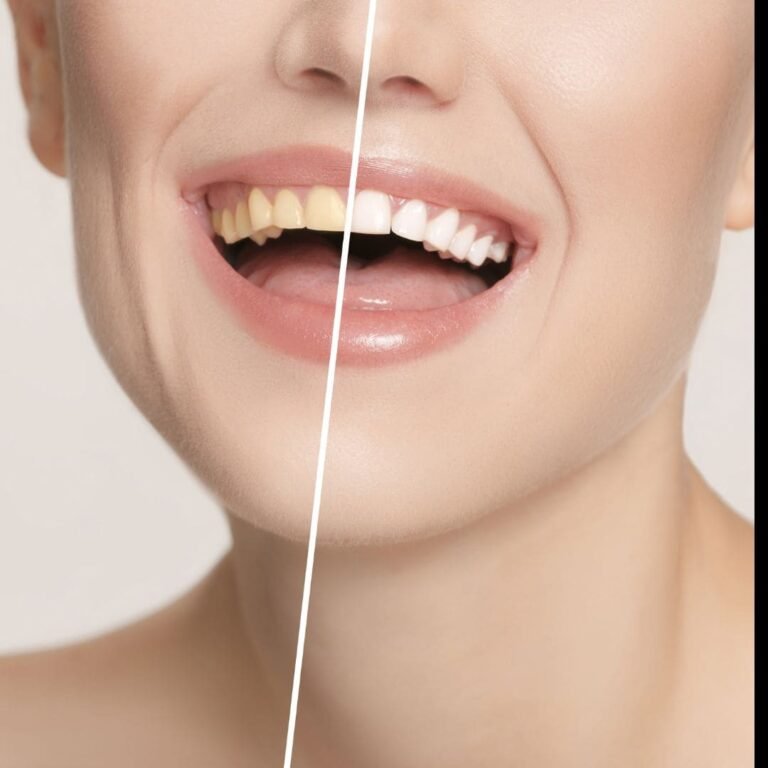
FAQs About Dental Veneers in Santa Clarita, CA
How long do dental veneers last?
Honestly, veneers don’t have some fixed number on them. One person might get ten years, someone else might need a change earlier, and another might go much longer. It depends on what they’re made of and how you treat your teeth after you get them. People who get Dental Veneers in Santa Clarita, CA often hear the same thing: porcelain tends to last longer, at least that’s what most people see. The composite ones don’t stay the same for that long. Grinding your teeth or chewing hard stuff will ruin them fast. But if you treat them nicely, they last fine. It’s usually the habits you don’t even notice that cause the trouble.
Is veneer good for teeth?
Veneers can help when you’re mainly trying to fix how your teeth look — things like stains, small chips, or a little gap. Dentists offering Dental Veneers in Santa Clarita, CA use them for these cosmetic fixes all the time. They just sit on the front, so the tooth underneath is still doing the same job. But they’re not a perfect fix. A thin bit of enamel has to be taken off, and that doesn’t grow back. Some people feel sensitivity for a while too. And if you grind your teeth or bite into hard things, they can chip. When the reason is right and you care for them normally, veneers do fine, but they’re still something you have to commit to.
What is veneers teeth price?
Veneer cost is all over the place. It totally depends on the materials and where you get the work done. For example, Dental Veneers in Santa Clarita, CA tend to cost more because cosmetic dentistry is priced differently there. Composite is usually the cheaper option. Porcelain costs more money. Why? Because it looks better and it holds up much longer. Most dentists charge per tooth, so the bill can rise fast if you’re doing several. There are also small extra charges for things like check-ups or temporary veneers. Insurance normally won’t help because veneers are seen as cosmetic. So, people often plan ahead for the cost. In the end, the material and the dentist’s skill affect the price the most.
What happens to teeth under veneers?
They shave off some enamel. A thin bit. The tooth underneath stays alive and works fine. The veneer just covers the front. People getting Dental Veneers in Santa Clarita, CA hear the same warning: you must clean the edges perfectly. If you don’t, plaque hides there. That’s how decay starts. Expect sensitivity to hot/cold early on. It usually stops. Enamel doesn’t grow back. So, that tooth needs protection forever. If a veneer pops off, the tooth is in trouble.
What are the negatives of veneers?
It’s a permanent choice. You lose enamel, you can’t get it back. Your teeth can get sensitive. Especially to cold things. Even for patients choosing Dental Veneers in Santa Clarita, CA, dentists say the same thing. They are tough, but they can chip. Don’t chew ice. Don’t grind your teeth. You have to brush and floss perfectly. Or you get rot around them. Also, they cost a lot. Insurance almost never pays for them.
Can I go back to normal teeth after veneers?
You can’t get those teeth back, period. They scrape off a layer of enamel for the veneers, and that stuff doesn’t regrow. This applies whether you get veneers locally or Dental Veneers in Santa Clarita, CA. So that tooth is changed forever. It’s always going to need some kind of cover from now on—another veneer, maybe a crown, whatever. If you leave it bare, it hurts and just wears away fast. So yeah, once you start with veneers, you are committing that tooth to always being restored. That’s why the dentist makes you really sure before you even begin.
Are veneers painful to get?
No pain during the work. The dentist numbs you up completely. The only sharp pain is the numbing shot. Dentists providing Dental Veneers in Santa Clarita, CA say the same thing. After the appointment, things change. Sensitivity to cold and hot is common for a few days. The temporaries feel awkward. They are bulky sometimes. This minor discomfort ends when the final veneers are placed. Any pain you have is mild. Tylenol or Advil handles it fine.
Which is better, braces or veneers?
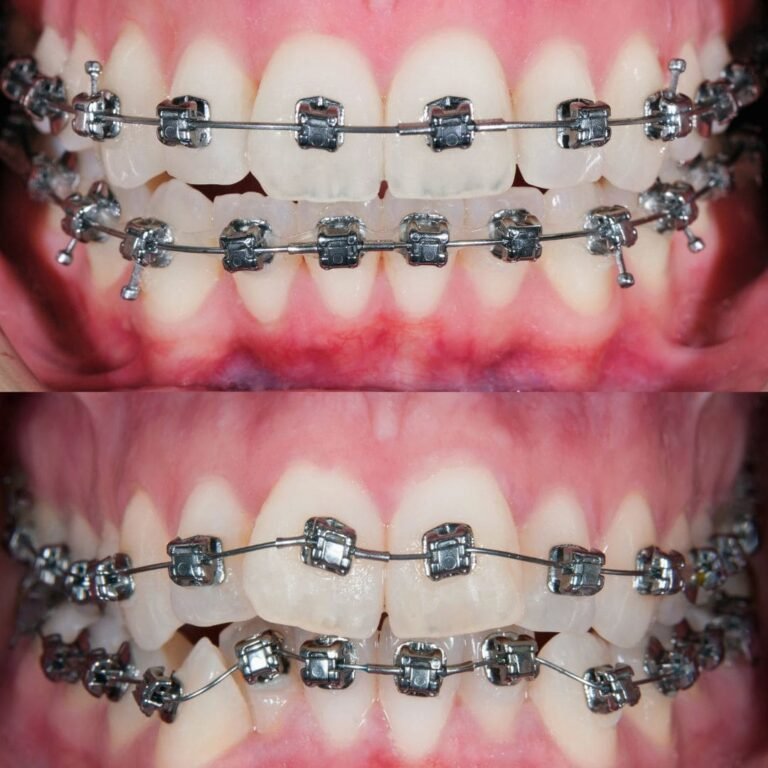
Neither is always “better.” It depends on the problem. Veneers are for quick fixes. Think chips, bad color, or small gaps. They can’t move teeth. They don’t fix major bite issues. Braces take a long time. But they truly straighten teeth. They fix real alignment problems. Dentists offering Dental Veneers in Santa Clarita, CA explain it the same way. If your teeth are mostly straight, use veneers. If they are crooked, have gaps or you have jaw trouble, get braces. It comes down to this: Cosmetic fix? Choose veneers. Real tooth movement? Choose braces.
Can you eat with veneers in?
Yeah, you can eat. But you seriously have to be careful. You can’t chew on hard stuff or super sticky stuff because it will wreck them. You know, things like ice, hard candy, those really tough caramels. People getting Dental Veneers in Santa Clarita, CA are given the same advice. If your food is tough, just cut it up instead of biting with the front teeth. Dark colored drinks won’t kill the color, but maybe rinse your mouth after coffee or wine. The big thing is: chew mainly with your back teeth. Don’t use the front ones like scissors. If you just eat normally and watch what you’re doing, the veneers will be okay.
Dental Veneers in Santa Clarita, CA
Dental veneers, those marvels of modern dentistry, are thin shells custom-made to fit perfectly over your front teeth. Think of them as tiny, tooth-colored disguises for a whole host of imperfections.
Do you want to bid adieu to teeth chips? Dental veneers can do that. Stubborn stains making you smile under wraps? Dental veneers can banish them too. So, they are a secret weapon for a dazzling, picture-perfect grin.
- Revamping Your Smile: Dental veneers come in two main materials: porcelain and composite resin. Porcelain is super strong and stain-resistant, mimicking natural teeth beautifully. Resin dental veneers are a budget-friendly option, but may require touch-ups sooner.
- A Tailor-Made Transformation: The dental veneer journey starts with a consultation with your dentist. They will check your teeth and discuss your goals. If dental veneers are suitable for you, a small amount of enamel is taken off the outer tooth. This makes space for the veneer. Then, impressions are taken to create your custom dental veneers. Finally, during a bonding appointment, your dental veneers are securely attached, and voila – a brand new smile!
How Dental Veneers Work Their Magic
Dental veneers are the ultimate makeover artists for your teeth. Here’s how they weave their smile sorcery:
- Hiding Imperfections: Got chipped or cracked teeth putting a damper on your smile? Dental veneers seamlessly cover them up, creating a smooth, flawless look.
- Staining the Past: Stubborn stains from years of coffee, tea, or red wine can be a real confidence crusher. Dental veneers provide a fresh start, masking discoloration for a brighter, whiter smile.
- Reshaping Reality: Uneven or slightly misaligned teeth can be disguised by dental veneers, creating a more symmetrical and aesthetically pleasing smile.
Dental Veneers: Who would need them?
Considering a dental veneer upgrade for your smile?
- Cosmetically Concerned: If you’re unhappy with chipped, cracked, discolored or uneven teeth, dental veneers can be a game-changer.
- Healthy Teeth Matter: Dental veneers are primarily cosmetic. So, healthy teeth are a prerequisite. Cavities or gum disease need to be addressed first.
- Smile with Confidence: Dental veneers are an investment. If you want to keep your teeth healthy and spotless, dental veneers might be the ideal answer. They can give you a great smile transformation.
The easiest way to find out if dental veneers are right for you is to schedule a consultation with your dentist. What is best for you can be determined with their assistance.
Dental Veneers vs. Crowns
In dentistry, both dental veneers and crowns offer solutions for enhancing your smile, but they serve distinct purposes. Dental veneers function primarily as a cosmetic treatment. These thin, custom-made shells bond to the front surface of your teeth, effectively masking minor chips, cracks, discoloration, or gaps. Conversely, crowns act as both cosmetic restorations and structural reinforcements. The entire tooth is shielded by these coatings. They give important reinforcement to teeth that are badly damaged, broken or have had root canal treatment. They also make the teeth look better.
- Dental Veneers: Ideal for addressing minor cosmetic concerns like chips, cracks, or discoloration.
- Crowns: Best suited for teeth requiring structural reinforcement due to severe damage, fractures or root canals.
A Spectrum of Dental Veneer Options
Dental veneers themselves encompass a range of materials and techniques to cater to individual needs and budgetary considerations.
- Porcelain Veneers: The Gold Standard: Porcelain veneers reign supreme for their exceptional longevity, resistance to staining, and remarkable ability to mimic the natural light interaction of healthy teeth. This popular choice necessitates the removal of a small amount of enamel to ensure a flawless fit.
- No-Prep Veneers: A Minimally Invasive Approach: For patients seeking a smile transformation without the use of drills, no-prep veneers present a viable option. These ultra-thin shells bond directly to the tooth surface, requiring minimal to no enamel removal. But they might not work for every situation. They are also more likely to chip or break than regular veneers.
- Removable Veneers: A Temporary or Budget-Conscious Choice: If you need a quick fix or something cheaper, removable veneers could be the answer. They are also called clip-on veneers and can improve your smile fast. These snap over your existing teeth for a relatively simple fix. It is worth mentioning that these might not fit perfectly. They could affect how you talk.
- Composite Resin Veneers: A Cost-Effective Alternative: Composed of a tooth-colored resin material, composite resin veneers can be conveniently placed in a single appointment. Although cheaper than porcelain veneers, these alternatives tend to stain more easily. They might also need replacing sooner than porcelain veneers.
Dental Veneer Procedure:
Considering dental veneers for a cosmetic dental enhancement? Let us delves into the process, outlining the pre-placement consultation, the veneer placement procedure itself, and essential aftercare practices.
Pre-Veneer Placement Consultation
The initial step involves a comprehensive consultation with your dentist. They will meticulously evaluate your teeth and gums to ascertain if veneers are a suitable option for your situation. Discussions will center around your desired aesthetic outcomes, such as concealing chipped teeth or correcting minor misalignments. X-ray imaging might be necessary to assess for underlying decay. If deemed a suitable candidate, the dentist will proceed with preparing your teeth. This meticulous process involves the removal of a minute amount of enamel to create space for the veneer to seamlessly integrate with your existing dentition. Local anesthetic ensures maximum comfort throughout the procedure. Finally, precise impressions are captured of your teeth, serving as a blueprint for crafting your custom veneers.
Veneer Placement Procedure
Veneers are primarily fabricated from two materials: porcelain and composite resin. Porcelain veneers are famous for being really tough and shiny, just like real teeth. On the other hand, composite resin is quicker to put on. Upon arrival of your custom veneers from the dental laboratory (for porcelain veneers), the placement stage commences. Your dentist will meticulously examine the fit, shade, and overall form to guarantee optimal aesthetic harmony with your smile. Minor adjustments can be made at this juncture to achieve the perfect result. Once everything appears flawless, the dentist will permanently bond the veneers to your teeth using a special light-cured adhesive for unparalleled strength.
Post-Veneer Care: Maintaining Your Dazzling Smile
While dental veneers offer a remarkable cosmetic solution, they necessitate proper care to ensure longevity. It is important to make sure your teeth are clean. You should brush them twice every day. Use toothpaste with fluoride for best results. Don’t forget to floss regularly too. This routine is key to good oral hygiene. Consistent dental checkups and professional cleanings are equally crucial for optimal oral health. Although veneers demonstrate resistance to chipping, it’s advisable to avoid biting down on hard objects such as ice or fingernails. Remember, veneers are susceptible to staining just like natural teeth, so moderation is key when consuming beverages like coffee, tea, or red wine. Rinsing your mouth with water following such consumption is recommended.
Advantages and Disadvantages of Dental Veneers
Advantages of Dental Veneers
Dental veneers consistently rank among the most popular cosmetic dentistry options for a multitude of reasons:
- Aesthetic Enhancement: Cracked, chipped, discolored, or misaligned teeth can be effectively concealed with dental veneers, resulting in a flawless, radiant smile.
- Durability and Stain Resistance: Porcelain veneers, in particular, are celebrated for their resilience and resistance to staining, ensuring a bright smile for years to come.
- Natural Appearance:Dental veneers are carefully made to perfectly blend with the color and transparency of your neighboring teeth. This creates a natural and pleasing appearance.
- Confidence Boost: A beautiful smile can significantly impact your self-esteem. Veneers can dramatically enhance your confidence and encourage you to smile more freely.
Disadvantages of Dental Veneers
While dental veneers offer a plethora of advantages, it’s important to consider the potential drawbacks:
- Irreversible Procedure: The removal of enamel is permanent. If you decide veneers are not the ideal solution for you in the future, dental crowns might become necessary.
- Cost Consideration: Dental veneers can represent a significant financial investment. Discuss financing options with your dentist if necessary.
- Potential for Sensitivity: You might experience temporary tooth sensitivity after veneer placement; however, this typically subsides within a few days.
- Risk of Chipping: Although unlikely with proper care, veneers can chip, necessitating replacement.
Dental Veneers: Enhancing Your Smile, But Are They Permanent?
Dental Veneers: A Conservative Approach to Cosmetic Dentistry
Dental veneers are custom-made shells, typically crafted from porcelain, that are bonded to the front surfaces of teeth. They address a variety of cosmetic concerns, including chips, cracks, discoloration, misalignment and even gaps. Importantly, dental veneer placement involves the removal of a minimal amount of enamel to ensure a secure bond. While enamel cannot regenerate, the amount removed is negligible and prioritizes aesthetics without compromising tooth health.Durability of Dental Veneers: A Long-Term Investment
Dental veneers, when properly cared for, can be considered a long-term investment. They typically last for a decade or even fifteen years. However, their longevity depends on various factors, including habits like teeth grinding, consumption of hard objects, and oral hygiene practices. These factors can contribute to chipping or cracking of the dental veneer itself.Maintaining the Integrity of Your Dental Veneers
Optimizing the lifespan of your dental veneers requires a commitment to proper oral hygiene. Here are key strategies to ensure their continued success:- Meticulous Brushing and Flossing: Maintaining a consistent oral hygiene routine is paramount. Brushing twice daily and flossing once a day effectively removes plaque and food particles that can damage both the dental veneer and the underlying tooth structure.
- Dietary Considerations: Veneers are not invincible. Chewing on hard candy, ice, or using your teeth for anything other than food consumption can lead to cracks or chips. Choose a diet that prioritizes your oral health and the longevity of your veneers.
- Regular Dental Visits: Schedule regular dental checkups for professional cleanings and evaluations. Early detection of any potential issues with the veneers or underlying teeth allows for proactive intervention and prevents more significant problems.
How much do dental veneers cost in Santa Clarita, CA?
Insurance usually doesn’t cover dental veneers because they are seen as cosmetic. You will likely pay between $900 and $2,500 per tooth.
Composite veneers range from $380 to $2,050 per tooth and typically last 4 to 8 years. Traditional veneers often end up being the most affordable in the long run.
The cost of dental implant surgery varies based on factors like:
- how many and what types of implants are needed
- where the implants go in the jaw
- if any extra procedures are needed before surgery.