TMJ Treatment in Valencia, CA
Ready for a Healthy Smile? Contact Us Today!
Happy Stories
EXCELLENTTrustindex verifies that the original source of the review is Google. Excellent dentist!! I can't recommend Dr. Aggarwal and the entire team enough! From the moment I walked in, I felt welcomed, comfortable, and genuinely cared for. Dr. Aggarwal is incredible knowledgeable, professional, and attentive, taking the time to explain everything clearly and make sure you feel comfortable throughout every step of the visit. The quality of care is exceptional and I always leave feeling confident that I'm in the best hands. If you're looking for a dentist who is trustworthy, caring, and truly passionate about their patients, I highly recommend Dr. Aggarwal!Posted on GoogleTrustindex verifies that the original source of the review is Google. Friendly staff and excellent service. Awesome doctor. I highly recommend.Posted on GoogleTrustindex verifies that the original source of the review is Google. Great attention to detail , soft hands and very nice staffPosted on GoogleTrustindex verifies that the original source of the review is Google. This is an amazing dental office.I have been going for years, thanks to all of them I only need to go for my 6mo. Check up and cleanings. Thank you all at Castaic Dental.❤️Posted on GoogleTrustindex verifies that the original source of the review is Google. Very attentive and kindPosted on GoogleTrustindex verifies that the original source of the review is Google. Amazing staff and Dr Charu is the best.Posted on GoogleTrustindex verifies that the original source of the review is Google. I was in a dental emergency & am beyond grateful/thankful to have found Dr. Aggarwal. She is very professional, skilled, knowledgeable, & caring! Dr. Aggarwal diffused all my concerns I had when she took the time to assess & explain how to proceed. I can not “THANK” Dr. Aggarwal enough, enormous “THANK YOU” for all that you Dr. Aggarwal:)Posted on GoogleTrustindex verifies that the original source of the review is Google. Been going for 25 years, they are fantastic!
Get a Dazzling Smile Now
Call Us Today To
Book An Appointment
Your Oral Health Matters to Us
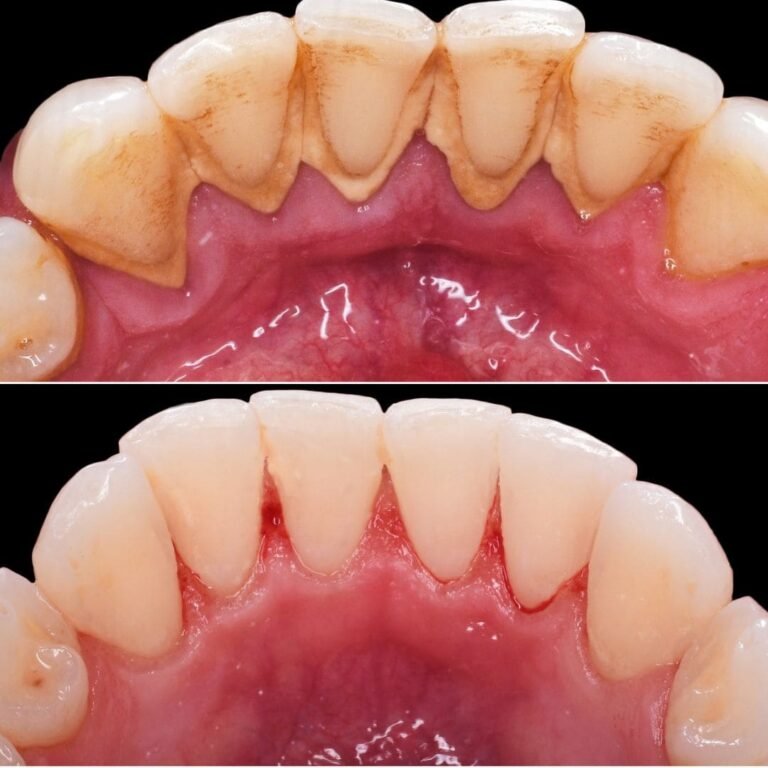
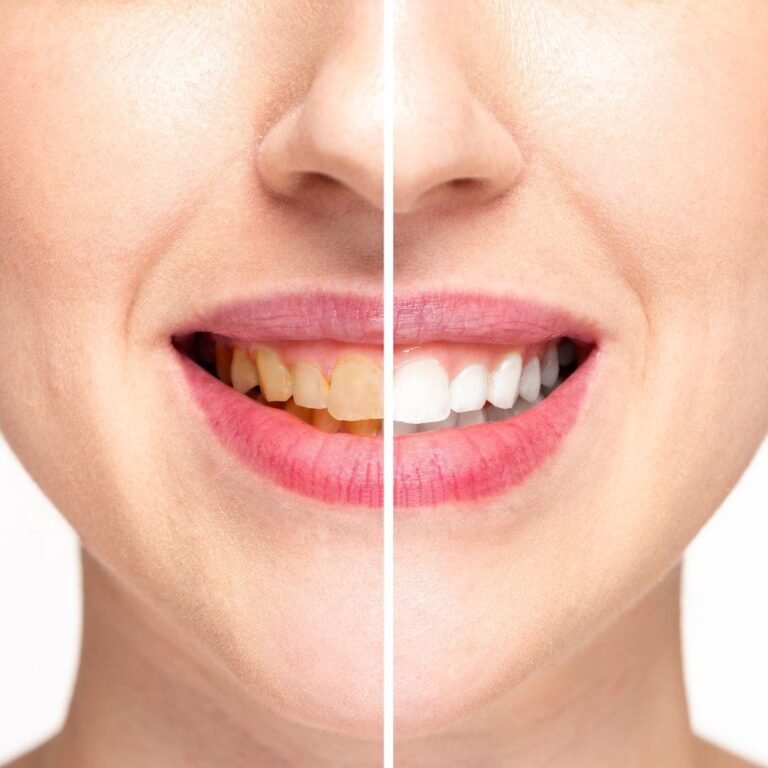
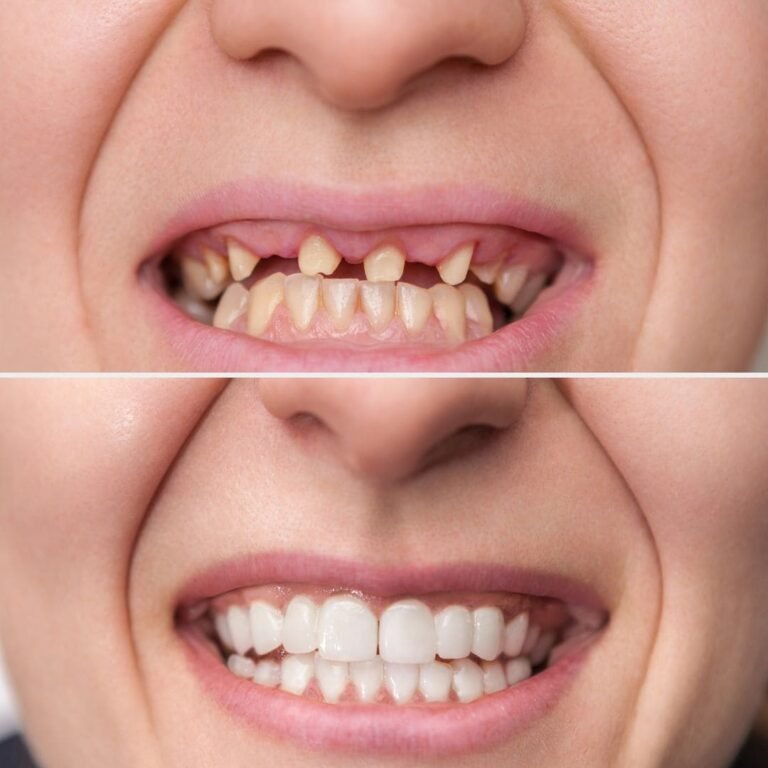
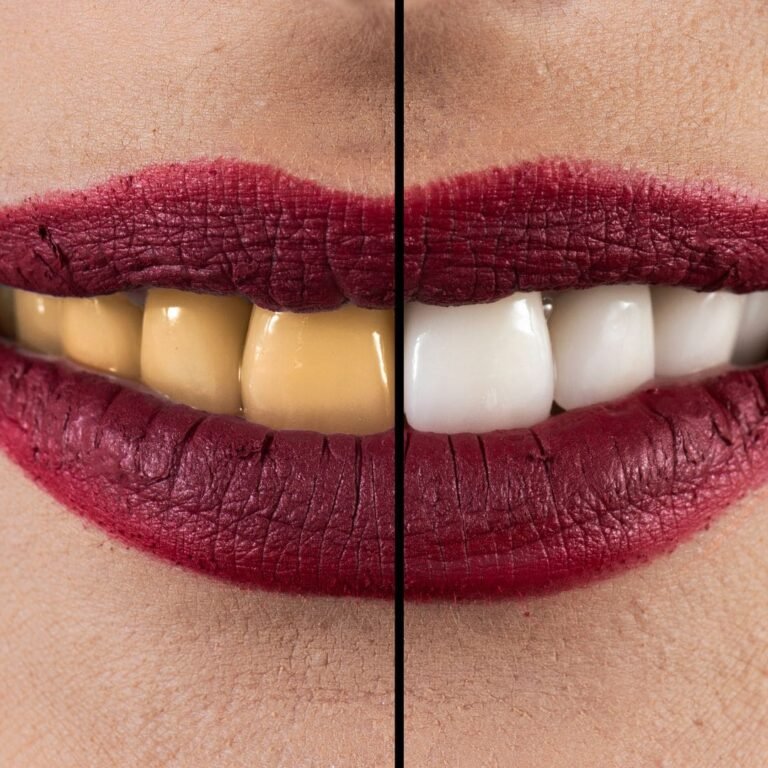
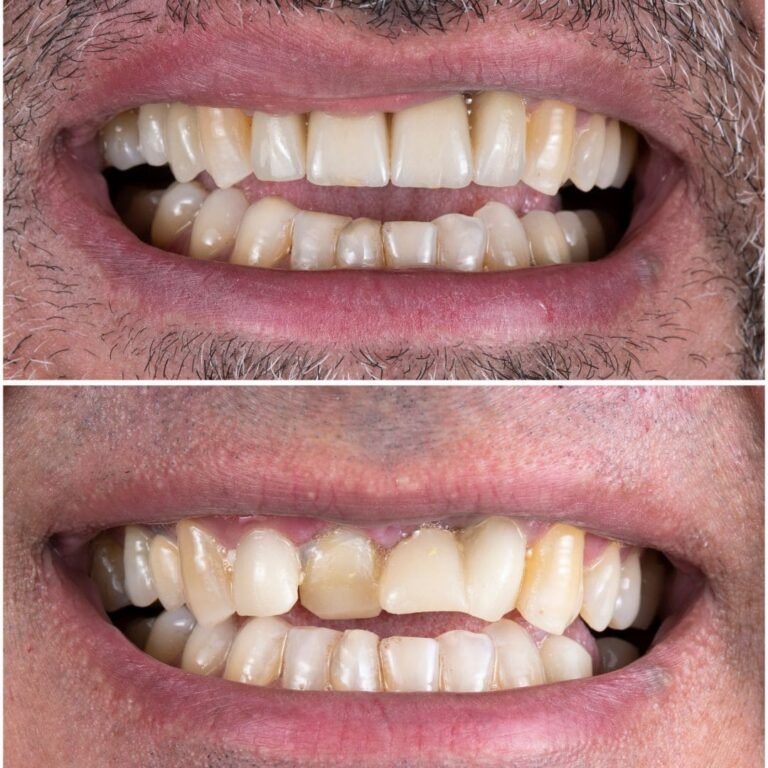
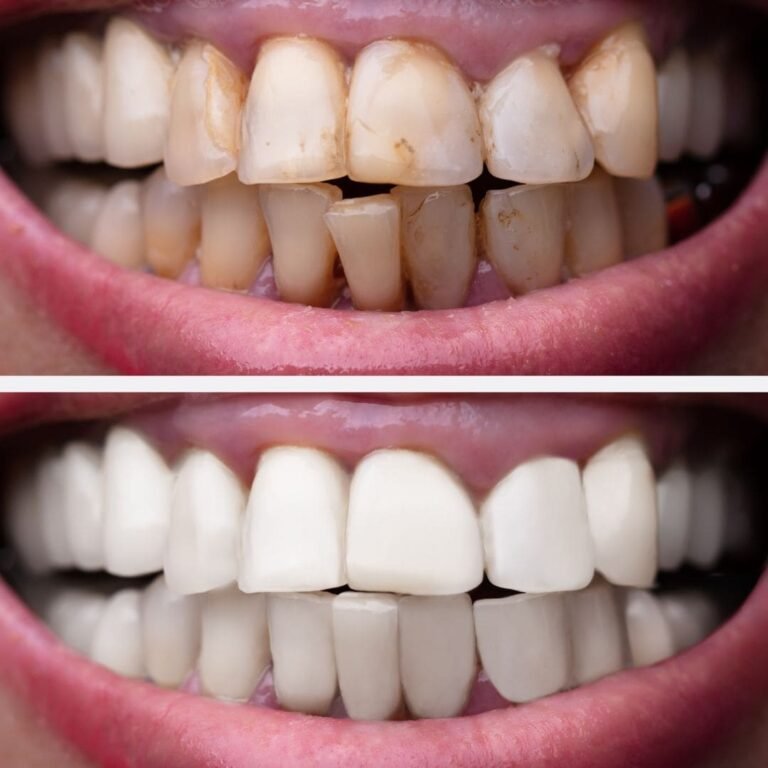
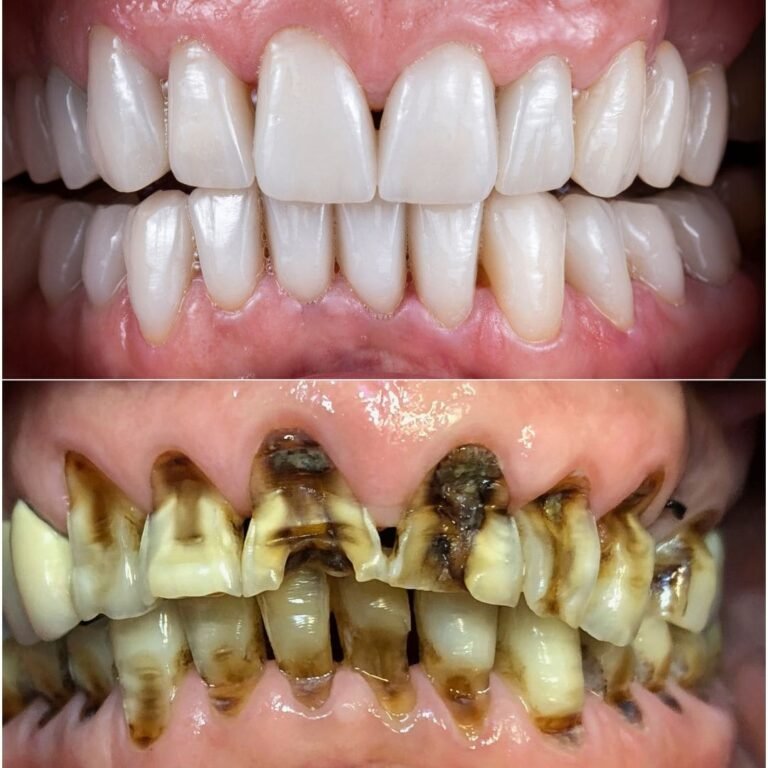
Dental Gallery
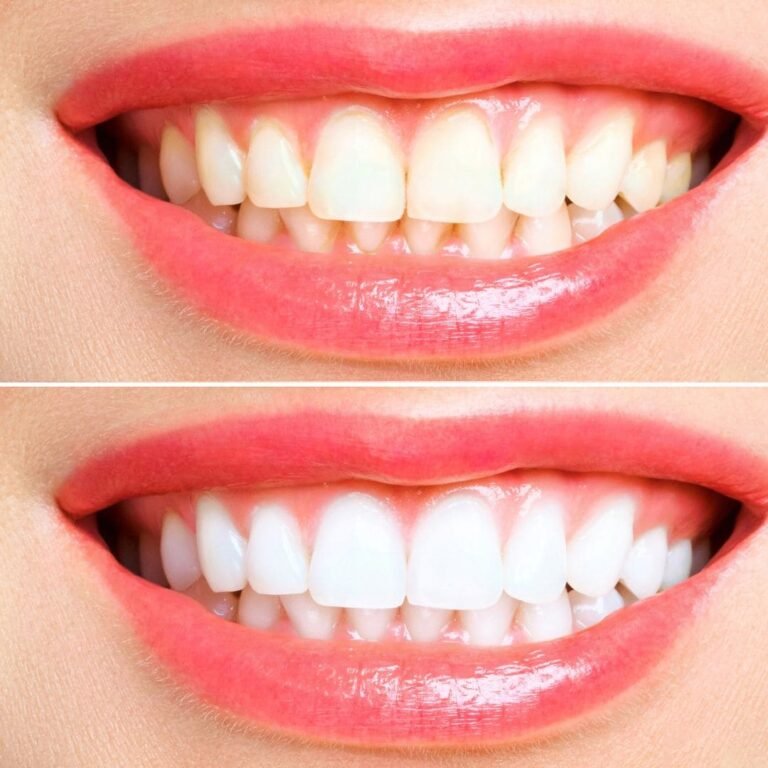
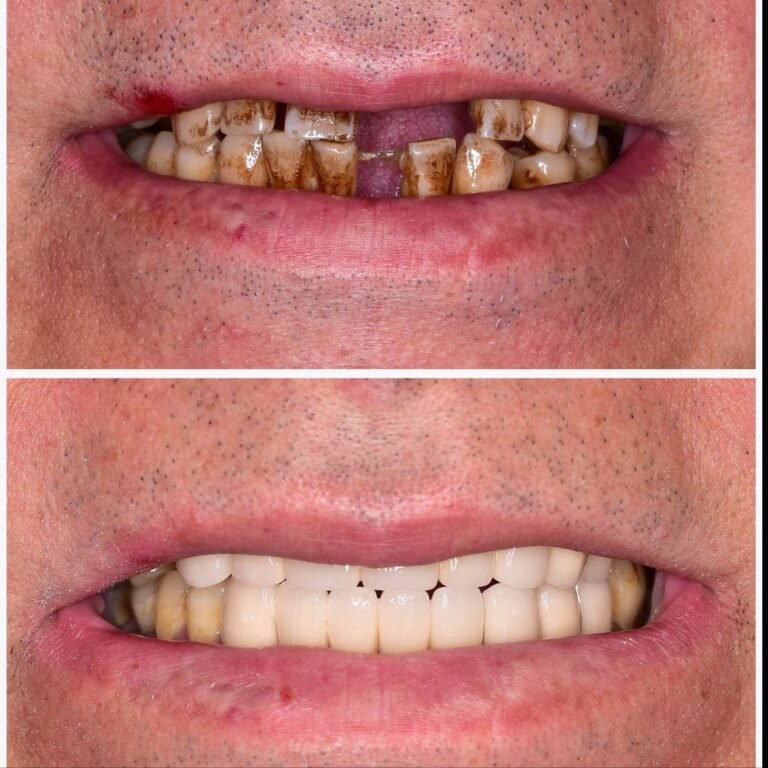
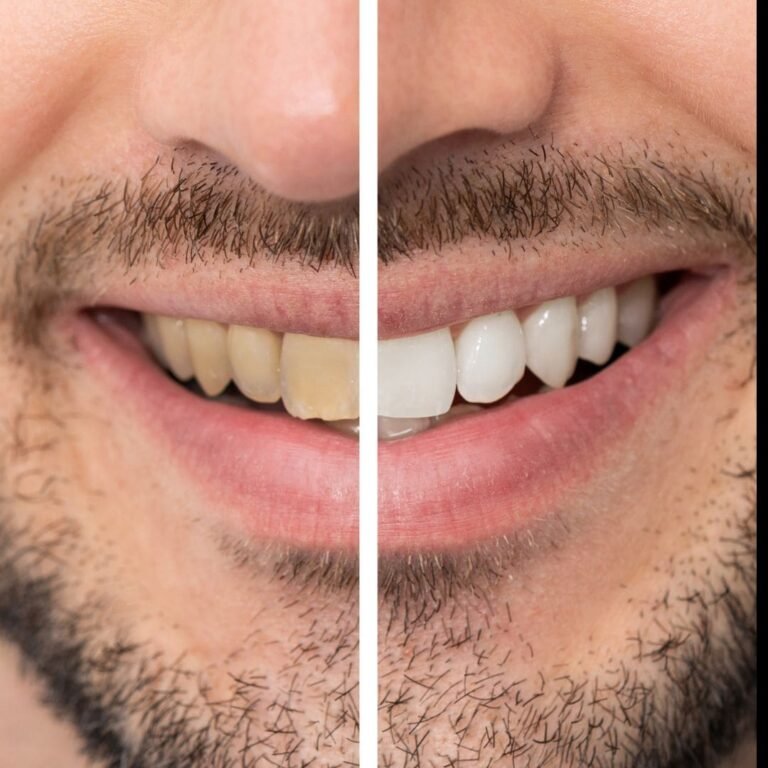

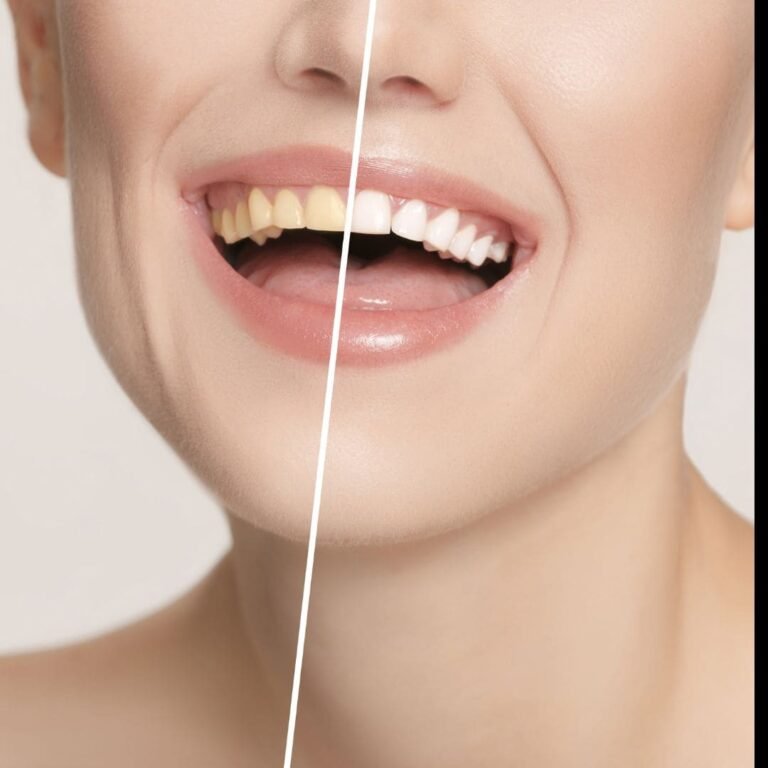
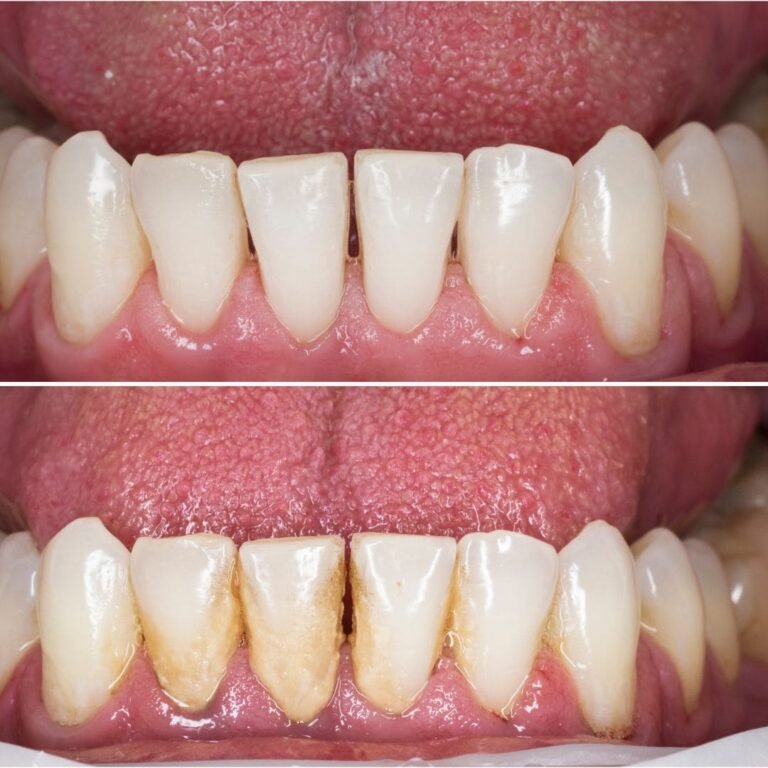
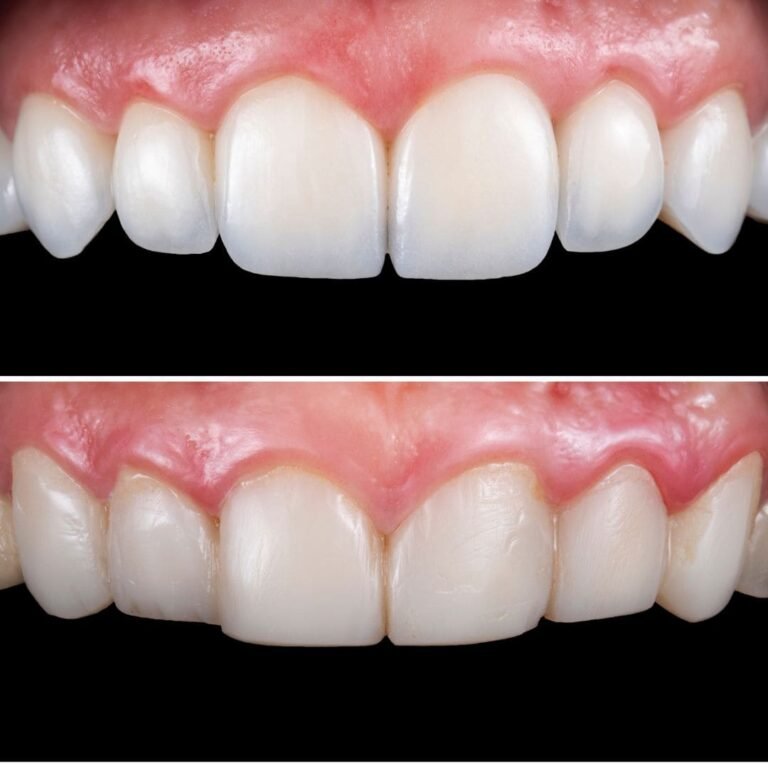
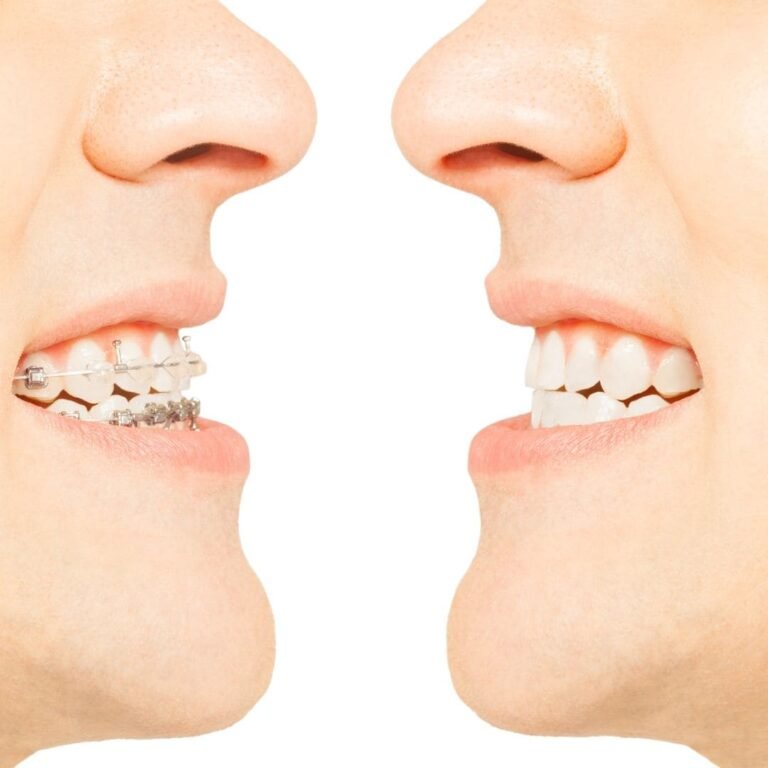
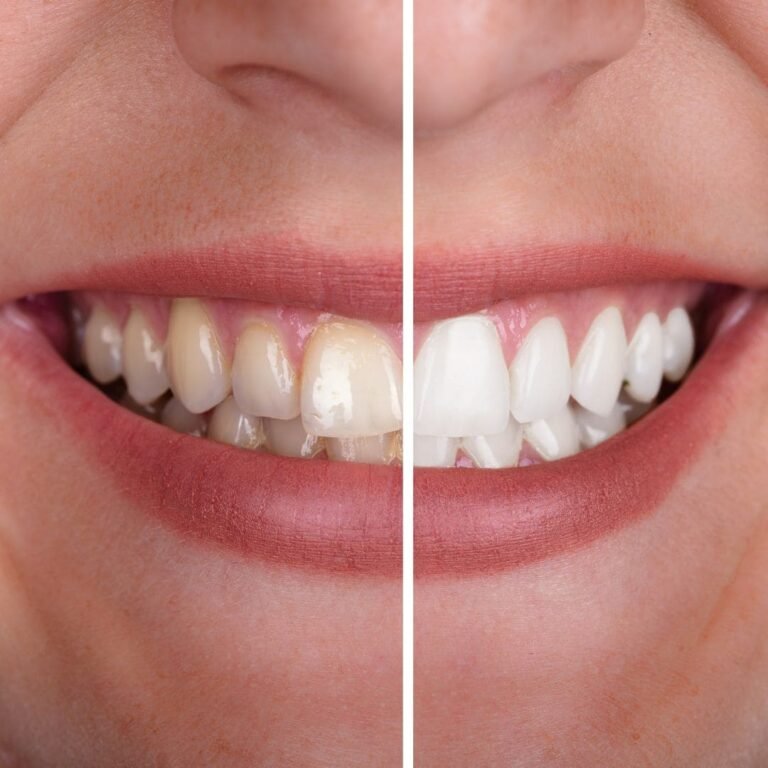
What is the TMJ?
TMJ is your jaw joint. It’s what allows your mouth to move. You use it all day and don’t really think about it. It sits right near your ears, one on each side. There’s a small disc in there that helps things move the right way. When that disc slips or the jaw muscles get tired or tight, that’s when pain usually shows up. Some people notice clicking, others feel stiffness or soreness. That’s often when they start looking into TMJ Treatment in Valencia, CA.
What are TMJ disorders?
TMJ problems happen when your jaw joint or the muscles around it aren’t working the way they should. This is the joint you use to open your mouth, close it, and chew, so when something’s off, you feel it pretty fast. You may feel jaw pain or hear clicking when you move it. Some people get headaches or ear pain too. For a few, it settles on its own. For others, it doesn’t go away and starts affecting normal daily things. That’s usually when TMJ Treatment starts to make sense. Many people start looking for TMJ treatment in Valencia, CA once daily tasks become uncomfortable.
Common symptoms of TMJ problems
Everyone feels it differently. It’s not just about your teeth; it can hurt anywhere from your head to your shoulders.
- Face or neck pain can happen. Sometimes shoulders too.
- A dull pressure may be felt behind the eyes.
- The jaw may click or pop when moving.
- Opening the mouth wide can feel tight.
- The jaw can feel stuck for a moment.
- Some people feel pain near the ears or get headaches.
- It may feel like your bite isn’t lining up right.
Causes of TMJ Disorders
Jaw pain usually isn’t caused by one clear thing. It tends to come from a few small issues adding up over time. Knowing that makes it easier to deal with TMJ treatment in Valencia, CA.
- Grinding or clenching the teeth, often during sleep
- A hit to the face, neck, or jaw at some point
- Stress that makes you hold tension in your jaw
- Wear and tear in the joint over time
- Habits like nail biting or chewing on things
When to See a Dentist for TMJ Pain?
Jaw pain can pass sometimes. Other times it just hangs around. If it keeps showing up or hasn’t eased after a few weeks, it shouldn’t be ignored and you should see a dentist asap. Trouble chewing or even talking normally is usually a sign to get it looked at. Early TMJ treatment in Valencia, CA can make things simpler and prevent bigger issues later.
Cost of TMJ Treatment in Valencia, CA
TMJ treatment in Valencia, CA doesn’t have a fixed price. The cost depends on what kind of jaw problem you’re dealing with and how much treatment is needed. Some cases are simple and don’t cost much. Others take more time and can get expensive, especially if advanced care is involved. Some TMJ costs are not covered by insurance.
- Mouthguards or splints: $150–$1,000, based on type
- Therapy or jaw exercise visits: $50–$250 per visit
- Medications or injections may be used and are generally lower in cost
- Minimally invasive procedures can start in the hundreds and go into the thousands
- Surgical TMJ treatment is the costliest and can range from $10,000 to $50,000 or more
*Costs vary based on the individual case, experience of dentist and insurance coverage.
TMJ Treatment in Valencia, CA at Castaic Dental Center
Castaic Dental Center treats patients who are dealing with jaw pain and TMJ issues. The clinic handles TMJ treatment in Valencia, CA by first understanding what’s actually causing the problem and then taking it step by step. Care, testing, and follow-ups are all done in the same place, so patients don’t have to run around to different clinics.
- The doctors have been working with TMJ and jaw cases for many years, even the emergency cases as well
- Even complicated or long-standing cases are taken time with, not rushed
- Modern machines are used to check jaw movement and joint issues
- Treatment plans are made based on the person, not a fixed method
- Cleanliness and infection control are followed very strictly