
TMJ Treatment in Santa Clarita, CA
Ready for a Healthy Smile? Contact Us Today!
Happy Stories
EXCELLENT Based on 86 reviews
 Posted on Google
 bakshi guptaExcellent dentist!! I can't recommend Dr. Aggarwal and the entire team enough! From the moment I walked in, I felt welcomed, comfortable, and genuinely cared for. Dr. Aggarwal is incredible knowledgeable, professional, and attentive, taking the time to explain everything clearly and make sure you feel comfortable throughout every step of the visit. The quality of care is exceptional and I always leave feeling confident that I'm in the best hands. If you're looking for a dentist who is trustworthy, caring, and truly passionate about their patients, I highly recommend Dr. Aggarwal!Posted on Google
 RamlamFriendly staff and excellent service. Awesome doctor. I highly recommend.Posted on Google
 Jose TorresGreat attention to detail , soft hands and very nice staffPosted on Google
 Brandy GuerraThis is an amazing dental office.I have been going for years, thanks to all of them I only need to go for my 6mo. Check up and cleanings. Thank you all at Castaic Dental.❤️Posted on Google
 Patricia HowellVery attentive and kindPosted on Google
 Kyle CowanAmazing staff and Dr Charu is the best.Posted on Google
 S AshouriI was in a dental emergency & am beyond grateful/thankful to have found Dr. Aggarwal. She is very professional, skilled, knowledgeable, & caring! Dr. Aggarwal diffused all my concerns I had when she took the time to assess & explain how to proceed. I can not “THANK” Dr. Aggarwal enough, enormous “THANK YOU” for all that you Dr. Aggarwal:)Posted on Google
 Robert PallaschBeen going for 25 years, they are fantastic!
Get a Dazzling Smile Now
Call Us Today To
Book An Appointment
Your Oral Health Matters to Us
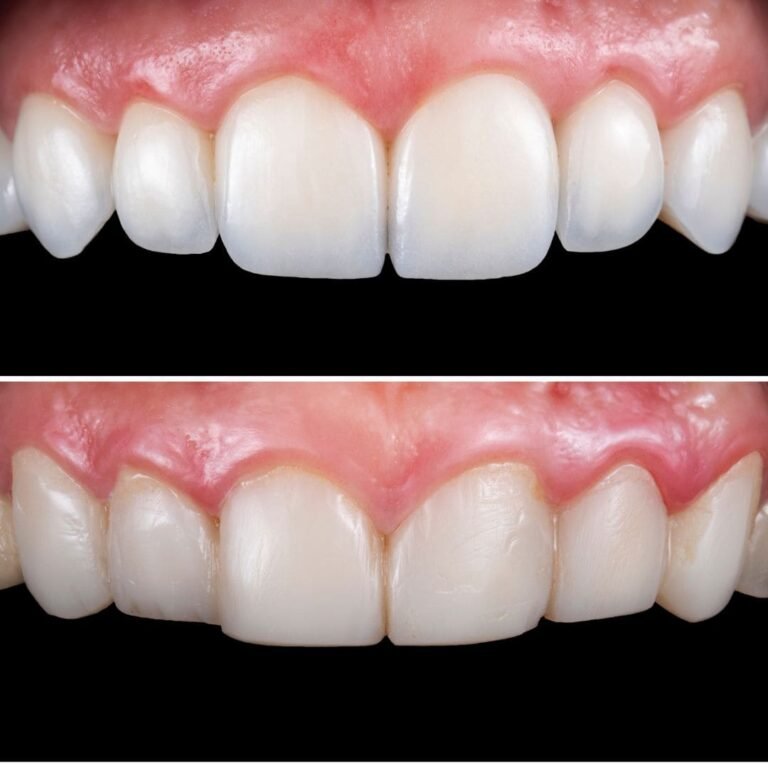
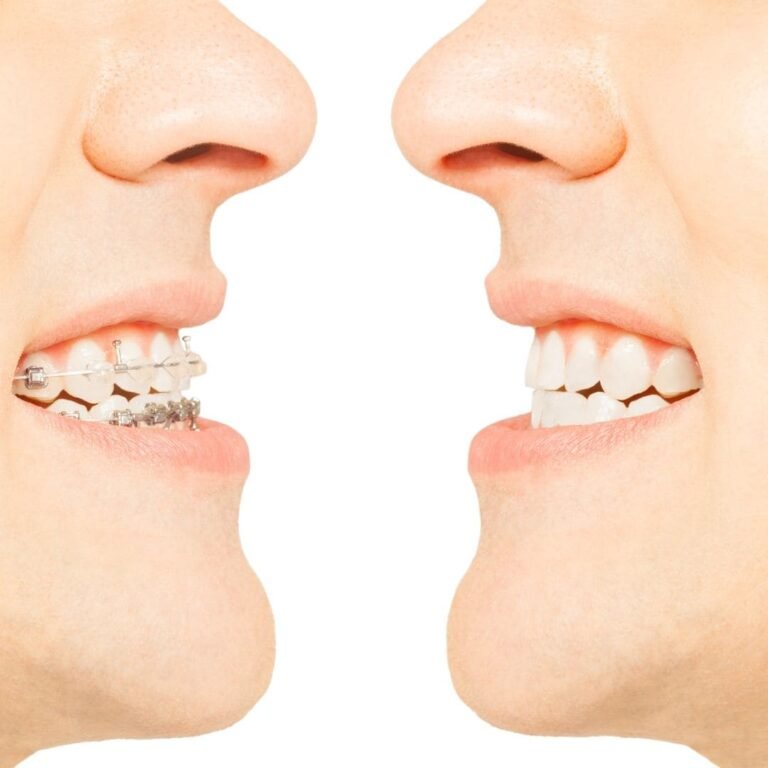
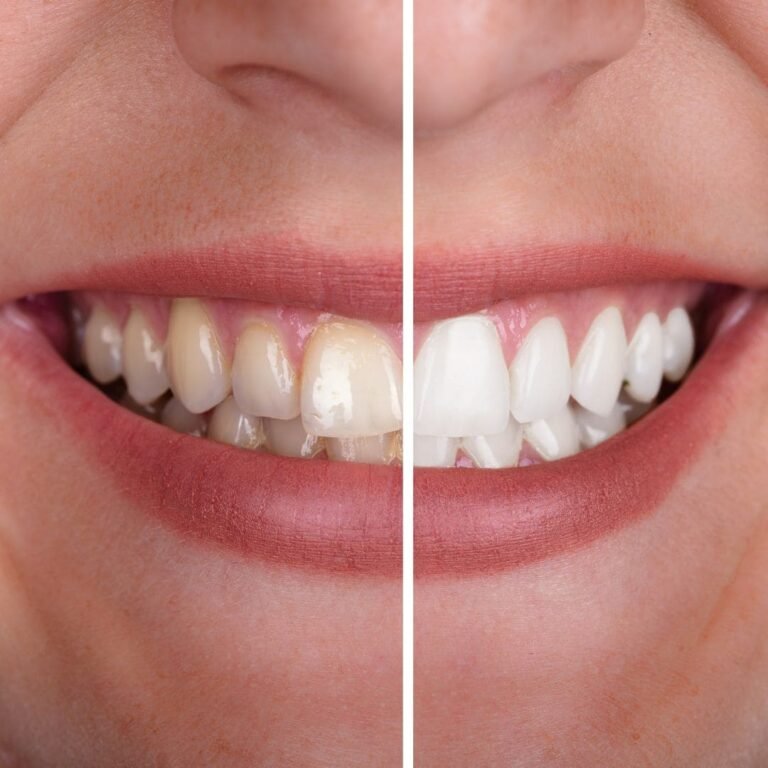
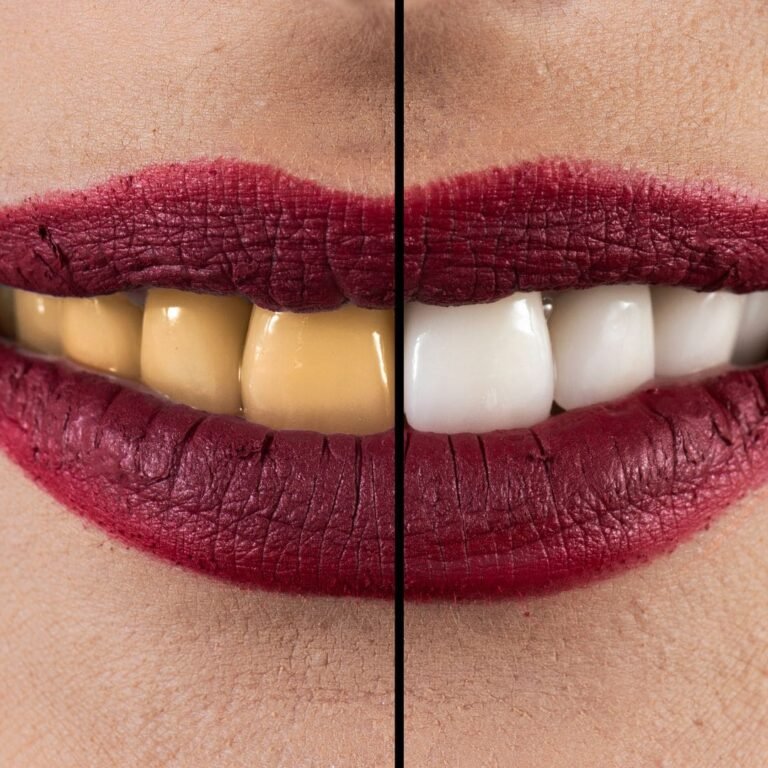
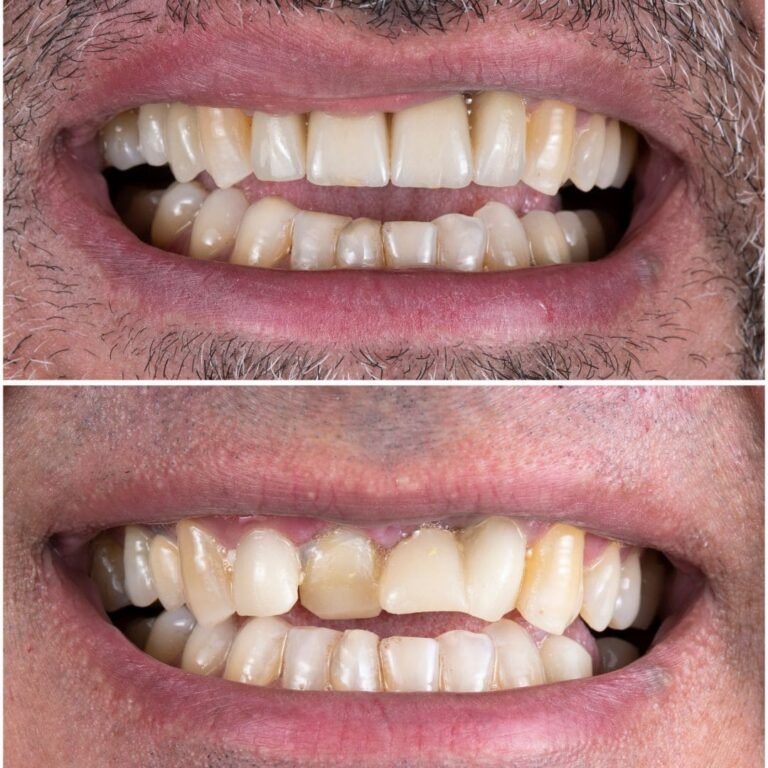
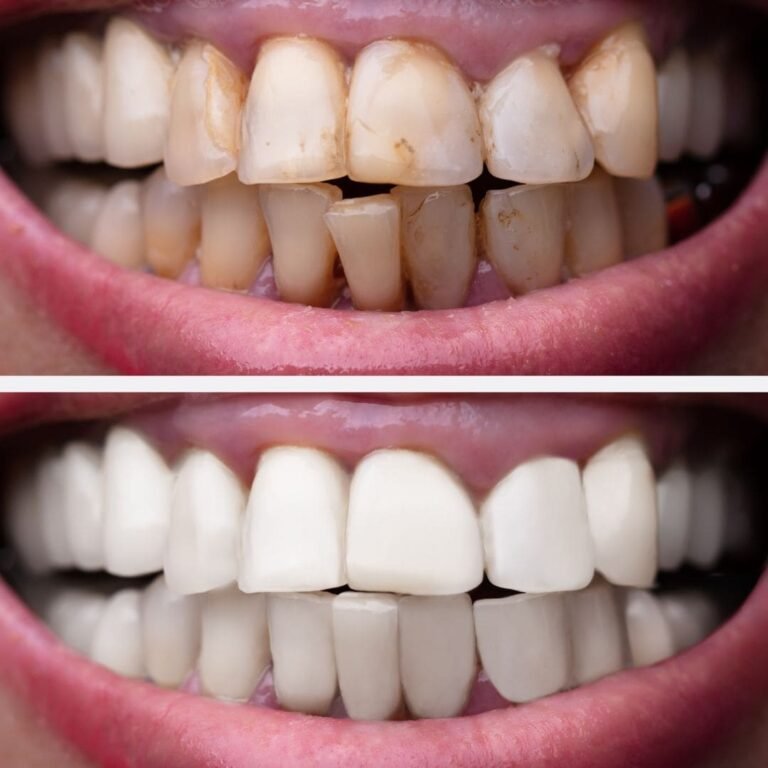
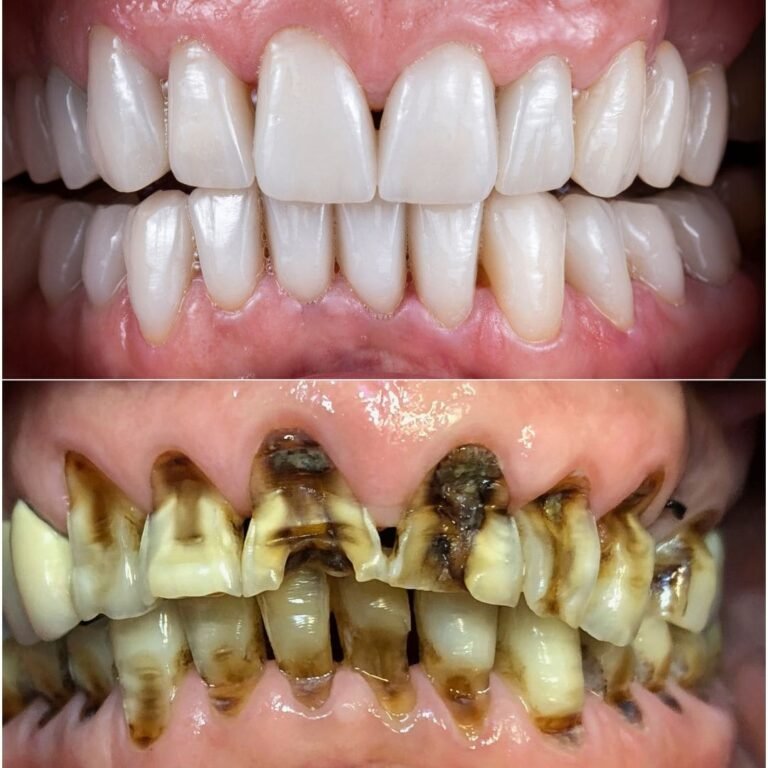
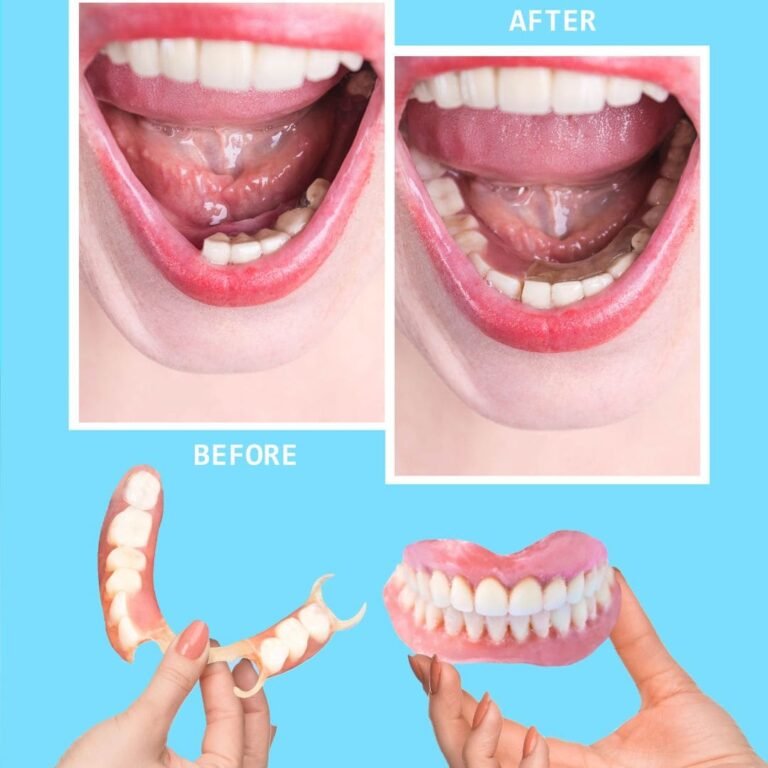
Dental Gallery
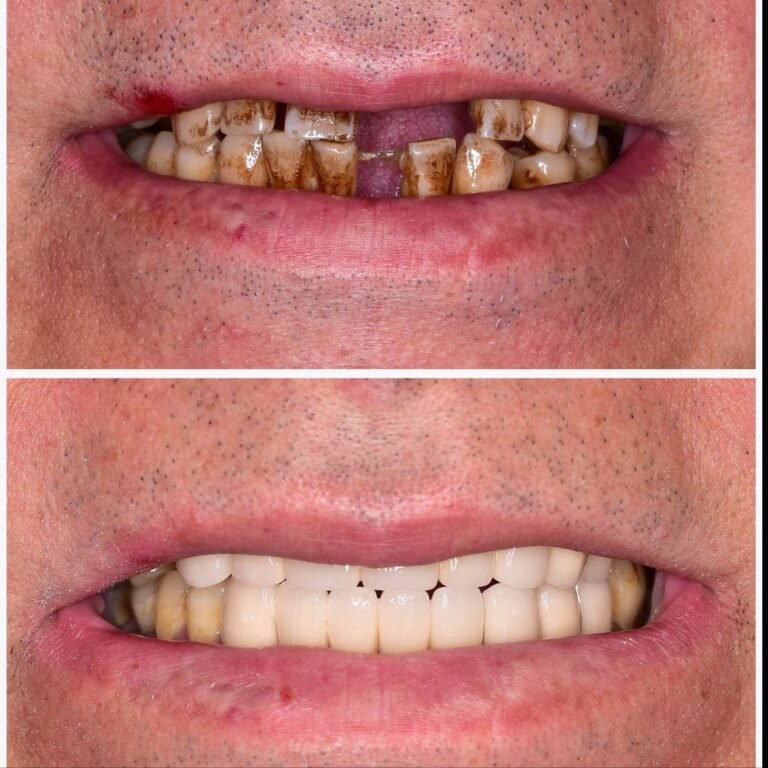
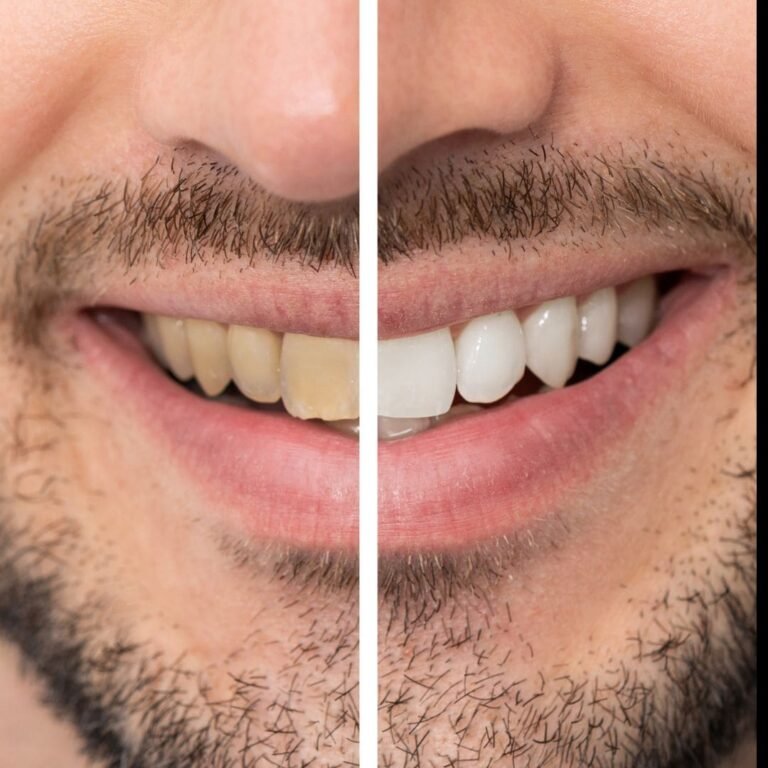

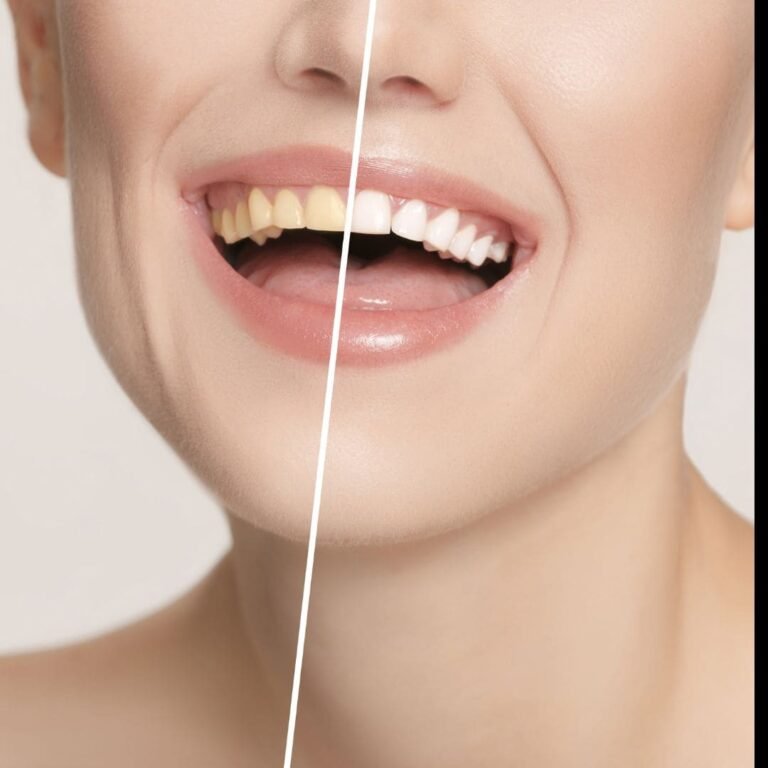
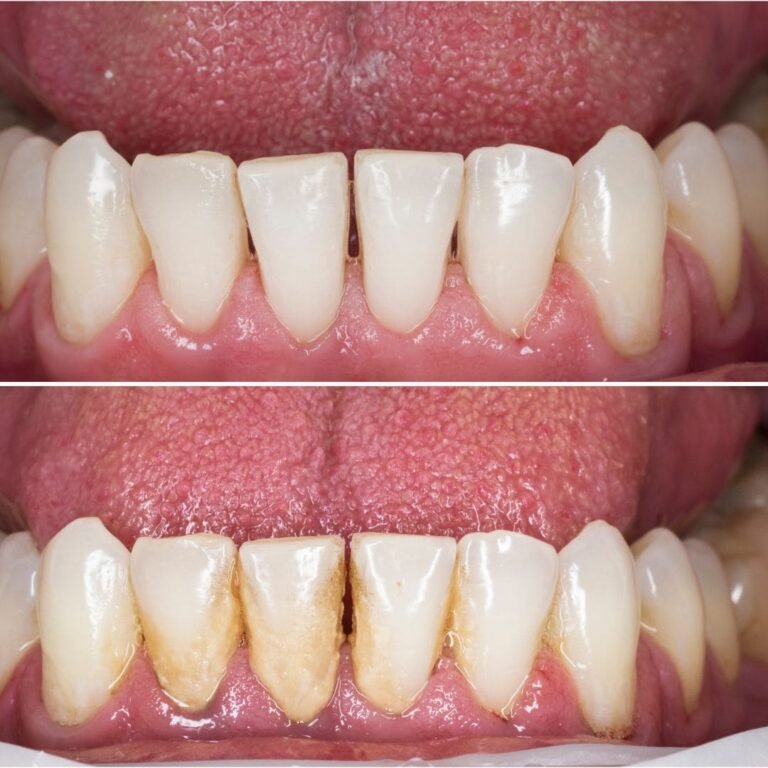
FAQs for TMJ Treatment in Santa Clarita, CA
What foods should I avoid with TMJ?
A perfect diet to an individual with TMJ should reduce the number of jobs the jaw would need to perform. Hard and crunchy snacks that may cause discomfort are nuts, chips, raw vegetables, and crusty bread. Sticky food such as steak, bagels and even gum also exacerbate the symptoms that were already painful. Caramel, raisins, and gummy candy may be stuck and put a strain on the jaw. It is more desirable to avoid the processed and sugary foods which may lead to inflammation. Soft food will keep the jaw at rest and will decrease the difficulties of movement and pain.
How do you relieve TMJ pain?
Small daily patterns tend to enhance TMJ pain. To reduce swelling and tighten contracted muscles, one can apply warm or cold pack to the jaw. The joint is allowed to rest by eating soft foods within a few days. The subtle stretches of the jaw can be improved without burdening them. Stress causes many to squeeze their teeth and hence anything that will make them relax can help. In case of non-effectiveness of home care, a doctor or a dentist may recommend physical exercises, a mouth guard, or temporary medication. The options tend to relieve pressure on the joint, and they offer continuous relief.
Is TMJ 100% curable?
TMJ is not necessarily a curable condition, but the majority of the people can cope with it and control it in the case it is treated appropriately. Most of these cases can be resolved using some basic measures such as consuming soft food, performing low-intensity exercises, stress management, and not straining the jaw. Dentists may recommend mouth guard to lessen grinding or clenching. Some people may respond to physical therapy, medicine, or other muscle-relaxing treatments of jaw muscles. Cases with very few severe cases demand complex procedures. In early treatment, the long-term issues are usually avoided and regular relief is offered. The appropriate treatment helps most people to cope with their symptoms.
What is and what causes TMJ?
TMJ is not necessarily a curable condition, but the majority of the people can cope with it and control it in the case it is treated appropriately. Most of these cases can be resolved using some basic measures such as consuming soft food, performing low-intensity exercises, stress management, and not straining the jaw. Dentists may recommend mouth guard to lessen grinding or clenching. Some people may respond to physical therapy, medicine, or other muscle-relaxing treatments of jaw muscles. Cases with very few severe cases demand complex procedures. In early treatment, the long-term issues are usually avoided and regular relief is offered. The appropriate treatment helps most people to cope with their symptoms.
Is TMJ due to stress?
Stress doesn’t really start TMJ on its own, but it can mess things up pretty fast. When you’re wound up, the jaw kind of tightens without you even thinking about it. After a bit, you end up clenching… or grinding at night… and the joint just takes all that pressure. And after the usual stuff is in play—sore jaw, some stiffness, the presence perhaps of a lingering headache. And stress makes it so tight because it’s tightening up in the neck and face at all as well. Old injuries or arthritis don’t help and can make it worse. The jaw tends to settle a little as long as the stress isn’t up and doesn’t flare very often.
What are the worst symptoms of TMJ?
People get TMJ problems in all sorts of ways. For some, it’s just this small ache that comes now and then. Others get it pretty bad… like the jaw suddenly hurting sharp or feeling stuck for a second, and they can’t open their mouth all the way. Eating becomes annoying. The face or the neck can feel tight, like the muscles don’t want to relax. Some folks even get headaches, ear pain, a ringing noise, or just this weird pressure around the jaw. It can mess with sleep too. When it keeps happening or the jaw locks, it’s better to see a doctor or dentist sooner rather than later.
Is TMJ a dental or medical problem?
TMJ also counts as both dental and medical. Some cases begin with dental with things like grinding teeth, misalignment with the bite, and clenching. Other cases start as medicals like arthritis, muscle injuries, or some past trauma. Since the jaw joint connects to the nerves and muscles in the head and neck, both doctors and dentists may be involved in treatment. Most patients begin with dentists as they are able to assess the function and health of the jaw. To ascertain that if the TMJ symptoms need a dentist or a medical profession (in same case, even both) to look into it, a thorough evaluation is required.
What foods should I avoid with TMJ?
Generally, the food that require a lot of chewing can increase TMJ pain. That is why it is advisable to avoid food that is hard and difficult to chew. Food like nuts, apples, candies, carrots etc which are hard to chew should be avoided. So, do sticky foods like caramels or gummy treats. Even chewing gum can cause a flare up in symptoms. Bigger bites can also increase the pain. Patients should eat food like cooked vegetables, soft grains and tender proteins as such food is generally easy on the jaw.
What is TMJ?
Your TMJ or temporomandibular joint serves as a hinge-like connection on both sides of your head. It is situated just in front of your ears. This joint quietly facilitates essential actions like yawning, chewing and talking. This thing is vital in your everyday tasks. Its smooth movement is ensured by its complex structure. It has a disc that looks like a cushion. Think of it as the silent orchestrator of your eating and conversation!
What is TMJ disorder?
Temporomandibular disorder or TMD covers different issues affecting the TMJ joint and its surrounding muscles. The TMJ joint acts like a conductor, guiding jaw movements smoothly. It coordinates muscles similar to how an orchestra conductor directs instruments. In TMD, this coordination is disrupted which leads to pain and discomfort.
How do I know if I have TMJ disorder?
Here are several major clinical manifestations that suggest TMDs:
- Headaches, earaches, and even dizziness in some cases
- Jaw joint fixation or locking, preventing any movement.
- Stiffness: Opening your mouth wide might feel like a struggle.
- Audible clicking, popping, or grating sounds during jaw movement.
- Pain localized to the jaw, face, or even radiating to the neck, particularly upon chewing or conversing.
See a dentist or physician if any of these symptoms apply to you. They can help you identify the issue and get your jaw back to working normally.
Why do TMJ disorder occur?
TMJ disorder can occur due to any of the following reasons:
- Clenching or grinding your teeth: Like stressing over a big presentation? You might clench your jaw without realizing it, wearing down the joint.
- Injury: A blow to the face or even chomping down too hard can damage the TMJ.
- Chewing gum all day: Your jaw needs a break too! Constant chewing can overwork the joint.
- Bite Off More Than You Can Chew: Misaligned teeth can mess with how your jaw works, causing problems.
- Arthritis: Just like other joints, your TMJ can wear down over time.
How TMJ disorder is diagnosed?
TMJ disorders can be tricky for people with jaw pain. But there are ways to diagnose and manage them effectively.
Techniques to diagnose TMJ disorder:
- Radiography (X-rays): They help identify skeletal anomalies that might be causing TMJ problems. These anomalies could be the underlying source of TMJ issues.
- Magnetic Resonance Imaging (MRI): An MRI scan may see soft tissues surrounding a joint like muscles and ligaments.A more thorough assessment of any TMJ problems is now possible.
- Computerized Tomography (CT) Scans: CT scans may be necessary in certain cases. These scans provide a 3D model of the TMJ joint structure. This helps to rule out other potential problems.
How to do Management of TMJ disorder:
- Pharmacological Therapy: TMJ pain might momentarily be relieved with the help of muscle relaxants and painkillers. They alleviate suffering while resolving the root canal problem, serving as a liaison.
- Physical Therapy: In order to cure TMJ issues, physical therapy is essential. Pain relief and better jaw function are its primary goals. Customised workouts and hands-on treatment approaches are used to achieve this.
- Surgical Intervention: Surgery is considered only when non-surgical methods fail. It’s a last resort for severe cases of TMJ issues, carefully considered before implementation.
Cost of TMJ disorder treatment in Santa Clarita, CA: TMJ splint cost in USA
TMJ woes got you down? Taming that jaw pain can involve a TMJ splint, a handy dental device worn to reduce discomfort. But how much does this fix set you back?
TMJ Splint Cost in the USA:
Generally, ranges from $150 to $600. Remember, this ballpark figure depends. Material and how customized the splint are can affect the price.
TMJ Splint Cost in Santa Clarita, CA:
Pinpointing exact costs in Santa Clarita is tricky. Here’s why:
- Dental professionals set their own prices.
- Your dentist will consider factors like your situation and the splint type.
Getting the Lowdown on Costs of TMJ disorder treatment in Santa Clarita, CA:
- Consult dentists in your area. Ask for quotes to get a personalized estimate.
- Dental insurance might play a role. Check your coverage for out-of-pocket expenses.
Remember: Early intervention is key for TMJ issues. Don’t let cost concerns stop you from seeking relief. Talk to your dentist about managing TMJ pain without blowing your budget.